
New Owners, New Cedar: A Gulf Harbour Restoration

New Owners, New Cedar: A Gulf Harbour Restoration

Matakatia feature image 1000x667

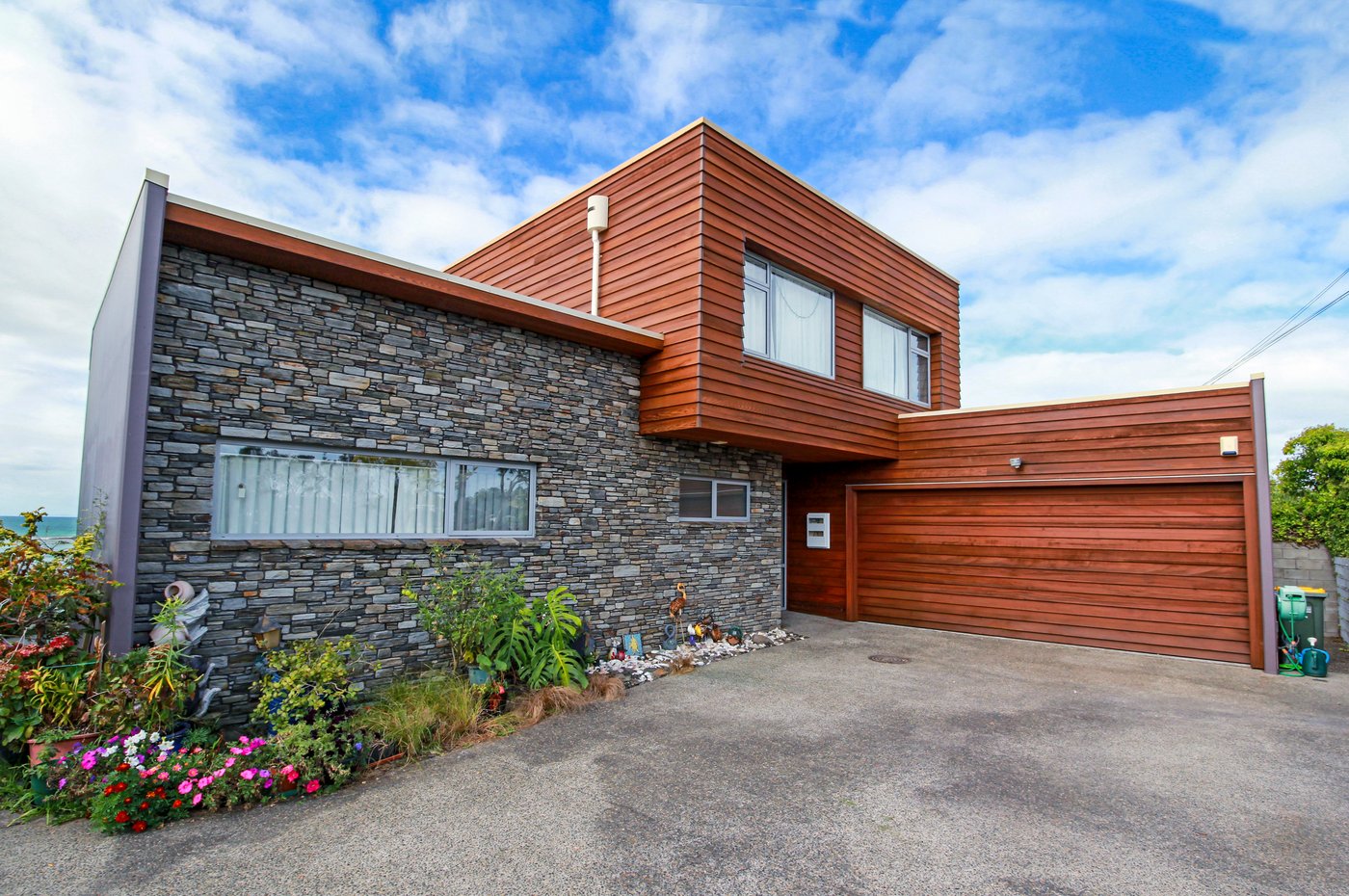
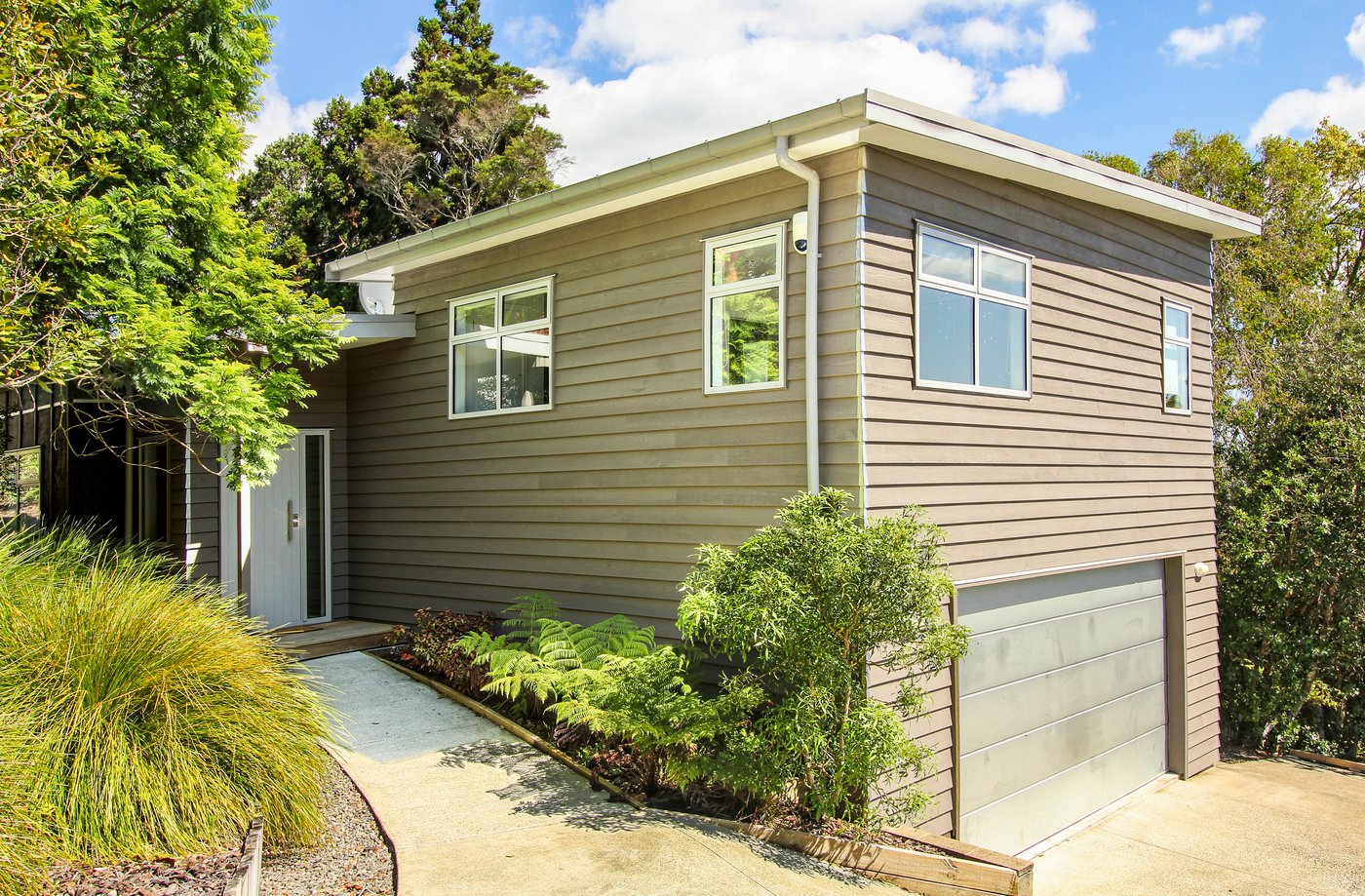
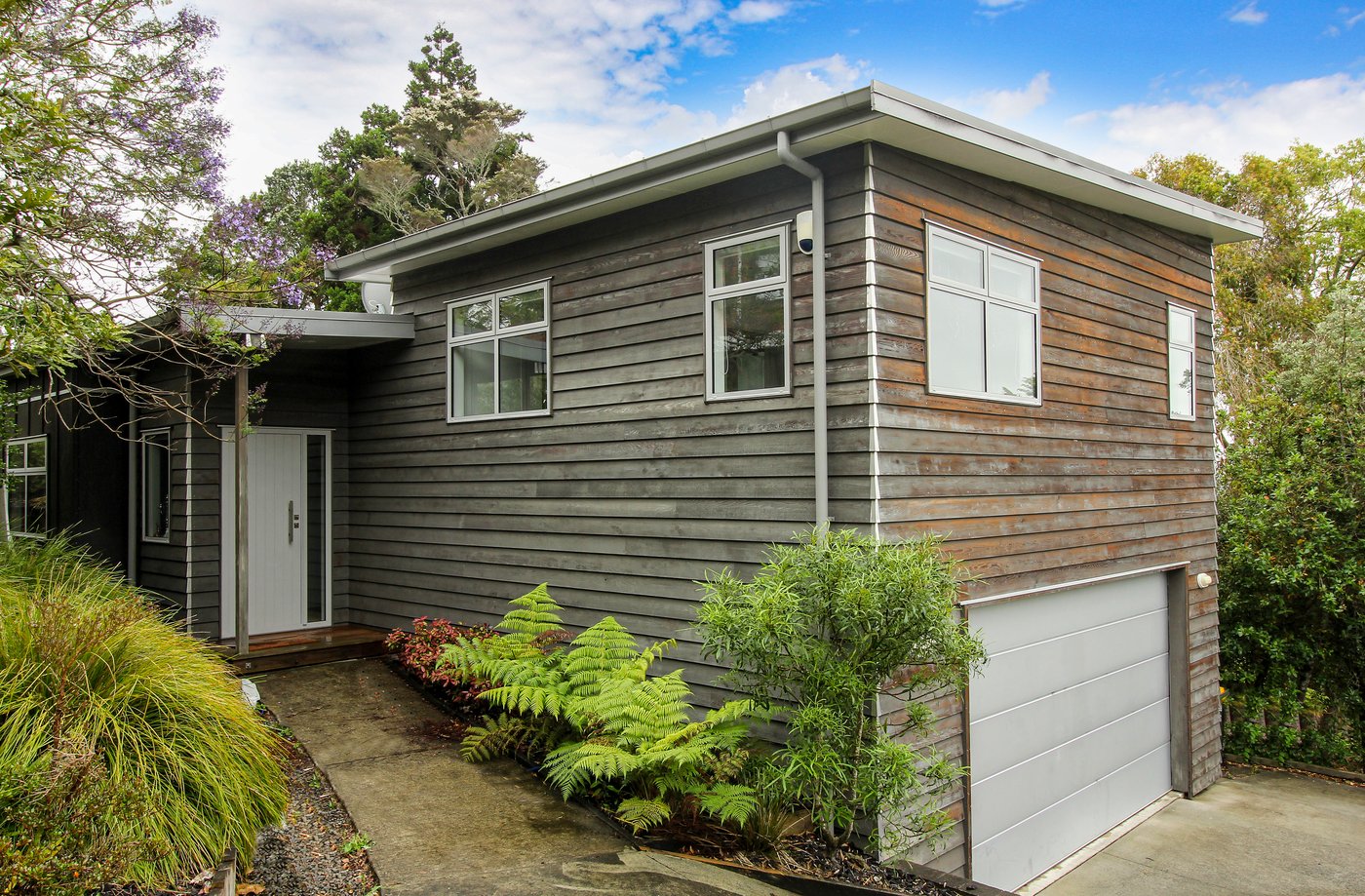
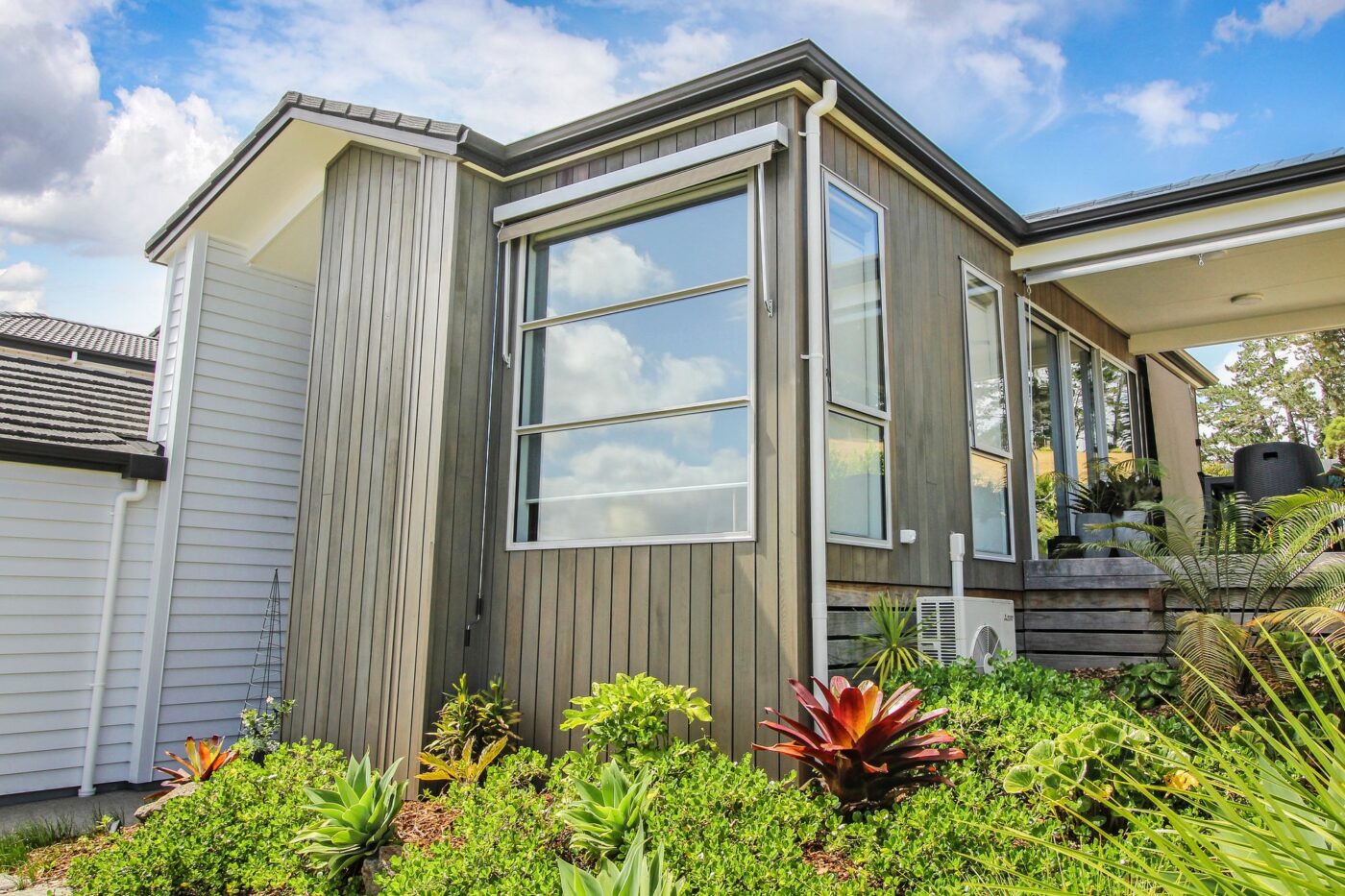
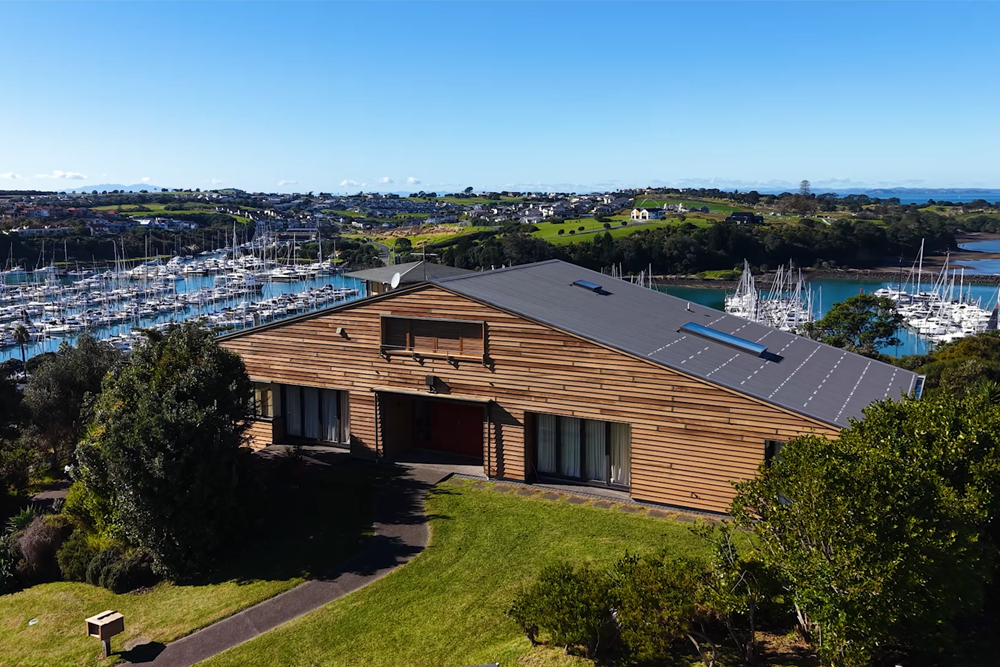
This architecturally designed home sits high above Gulf Harbour Marina, positioned to make the most of the water views below. The Cedar cladding wraps around three storeys on the north face, stepping down to a single storey on the more sheltered south side. 

The new owners had bought the property only a year or so before contacting us, with restoring the Cedar always part of the plan. They weren’t sure if the timber could be saved or if it would need replacing altogether, so they wanted to speak with people who knew Cedar before deciding either way.  

We were happy to have that conversation, and even happier with what we found. 

Maintenance Timeline

TimberTech was first contacted on the 3rd of October, 2025.  

  • 6th October, 2025 – Cedar Assessment completed. 
  • 7th October, 2025 – Quote sent. 
  • 2nd December, 2025 – Job started.  
  • 22nd December, 2025 – Job completed. 

The job took roughly three weeks from start to finish, with delays caused by rain and by the access equipment being unusable in high wind. 

Cedar Assessment

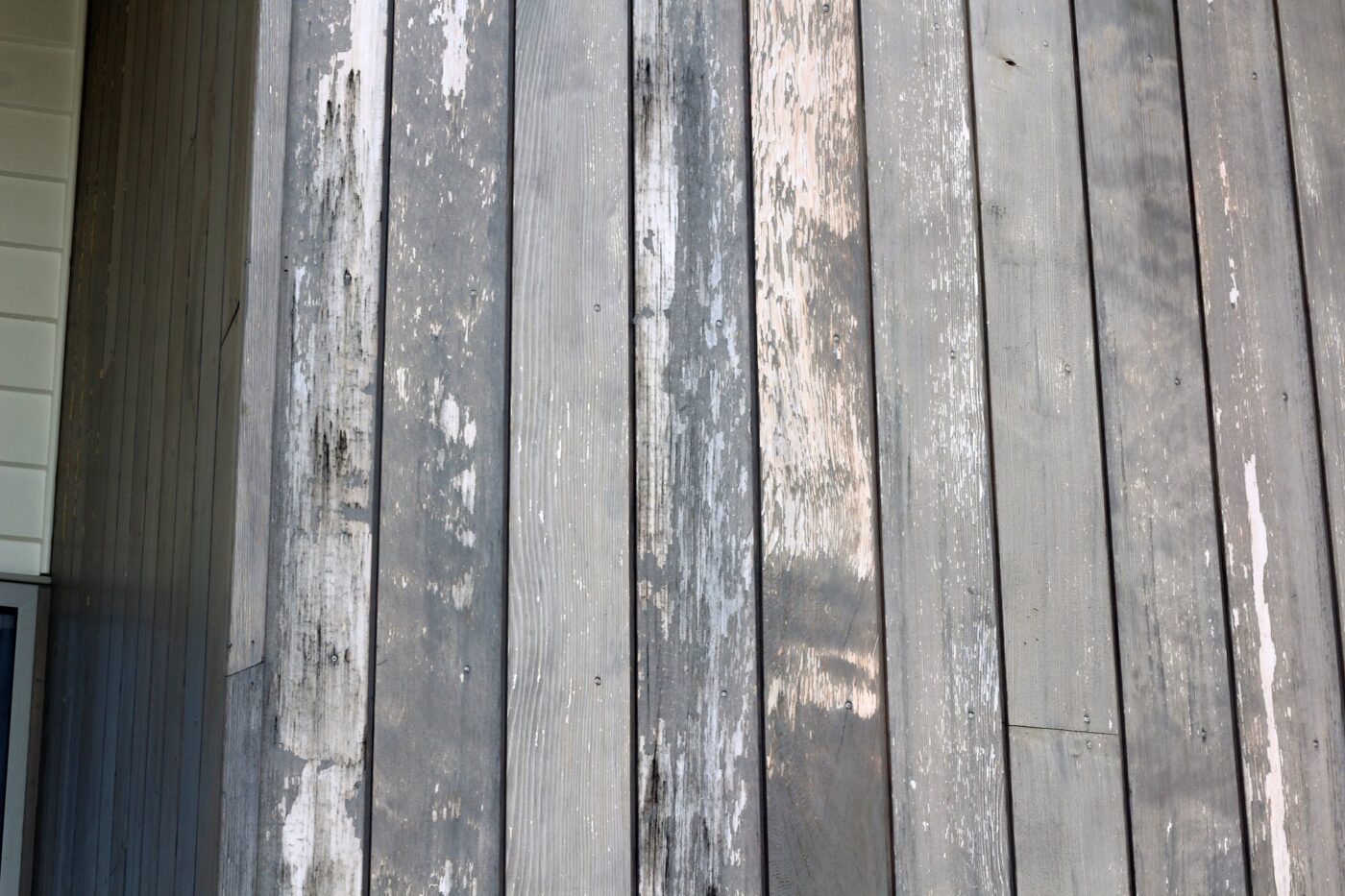
The Cedar hadn’t been treated for at least ten years. It had likely been oiled at some point in the past, but there was no evidence of stain having ever been used, no patchiness or uneven colour of the kind you’d expect to see in sheltered areas if a stain had broken down. 

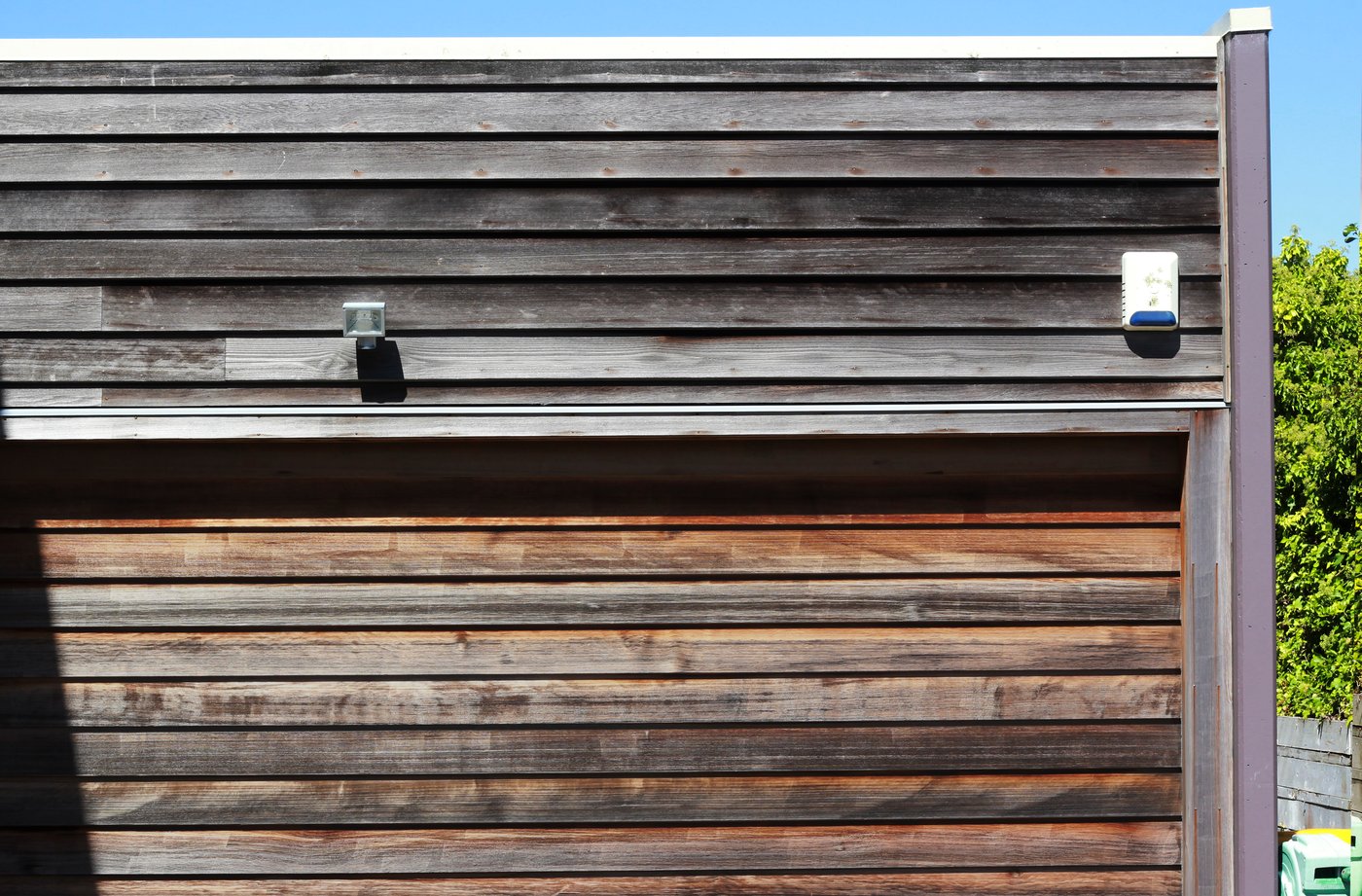
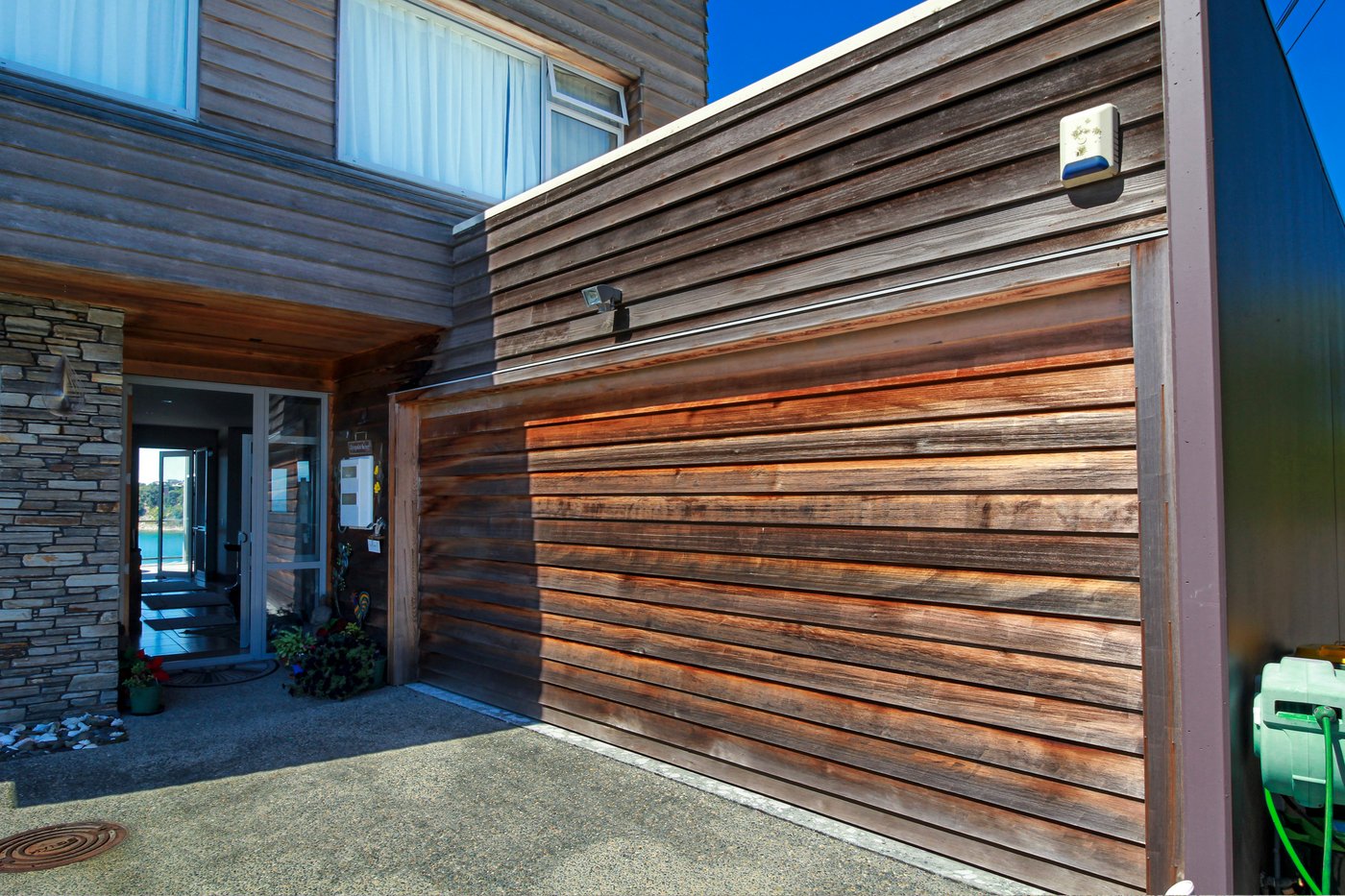
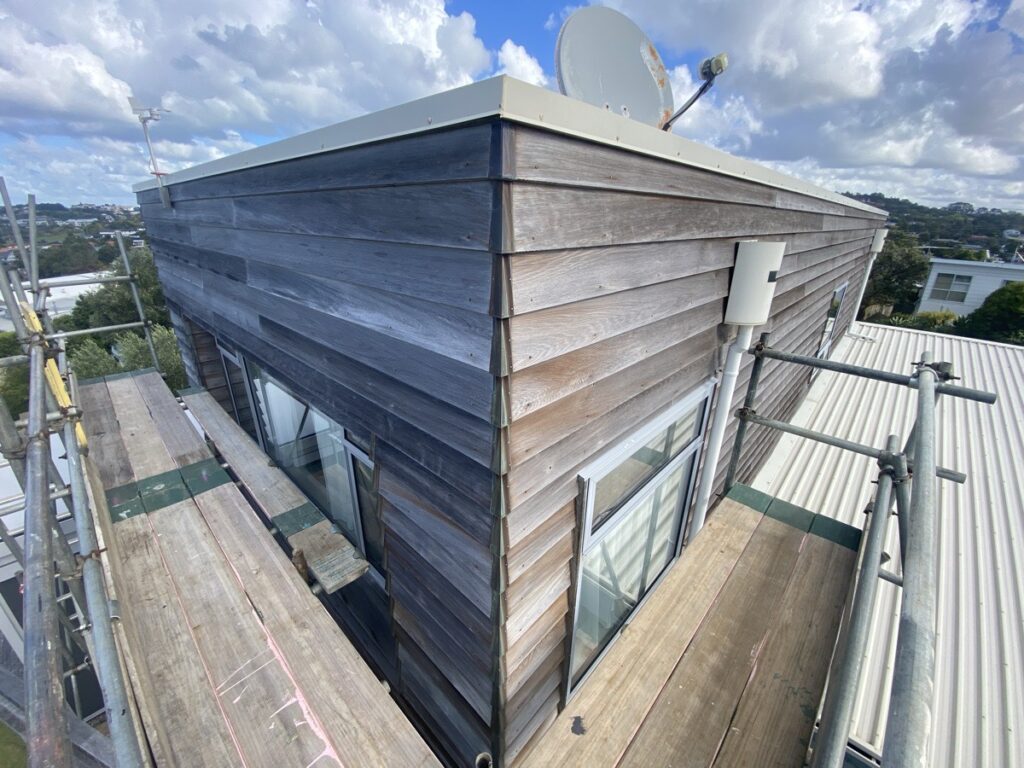
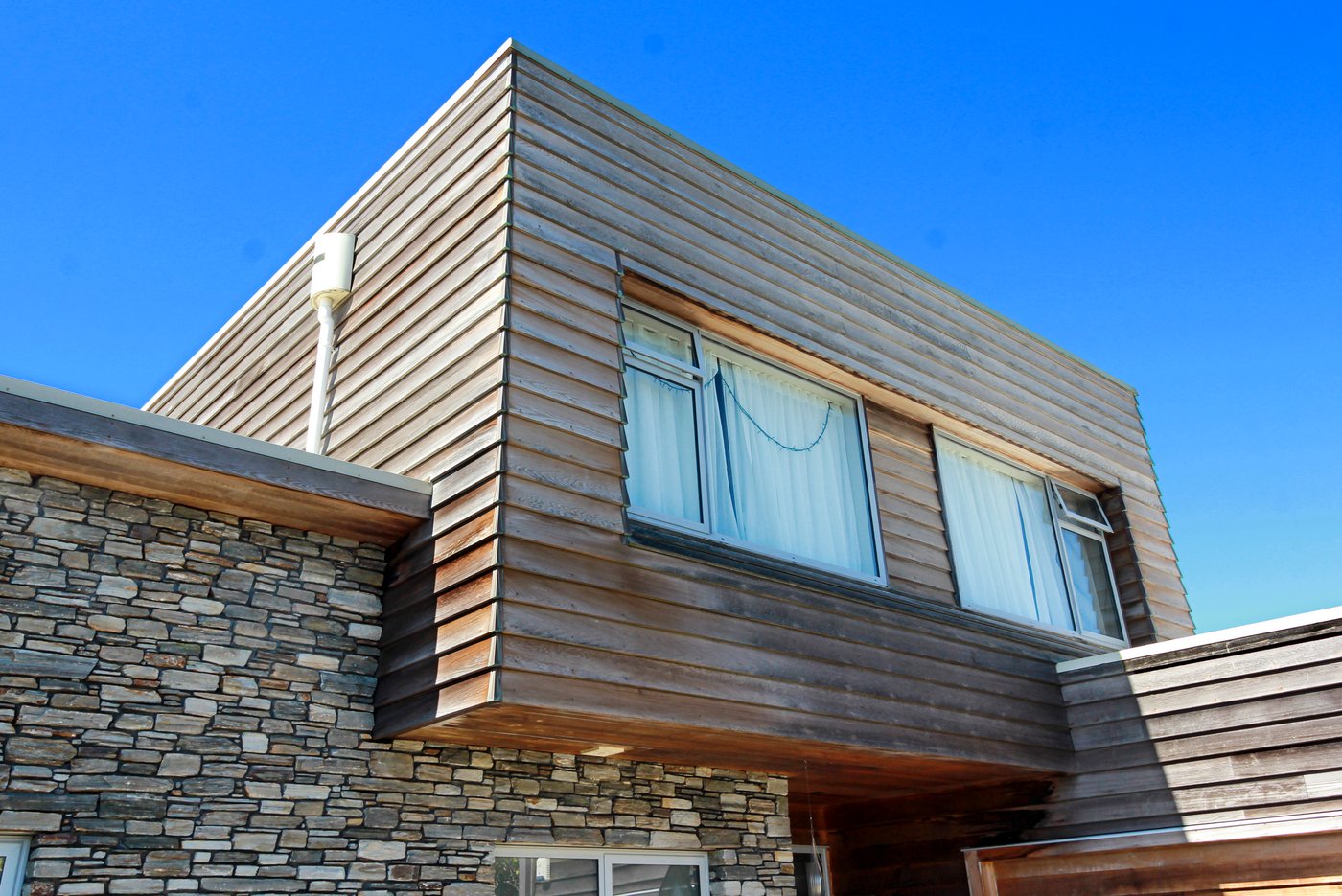
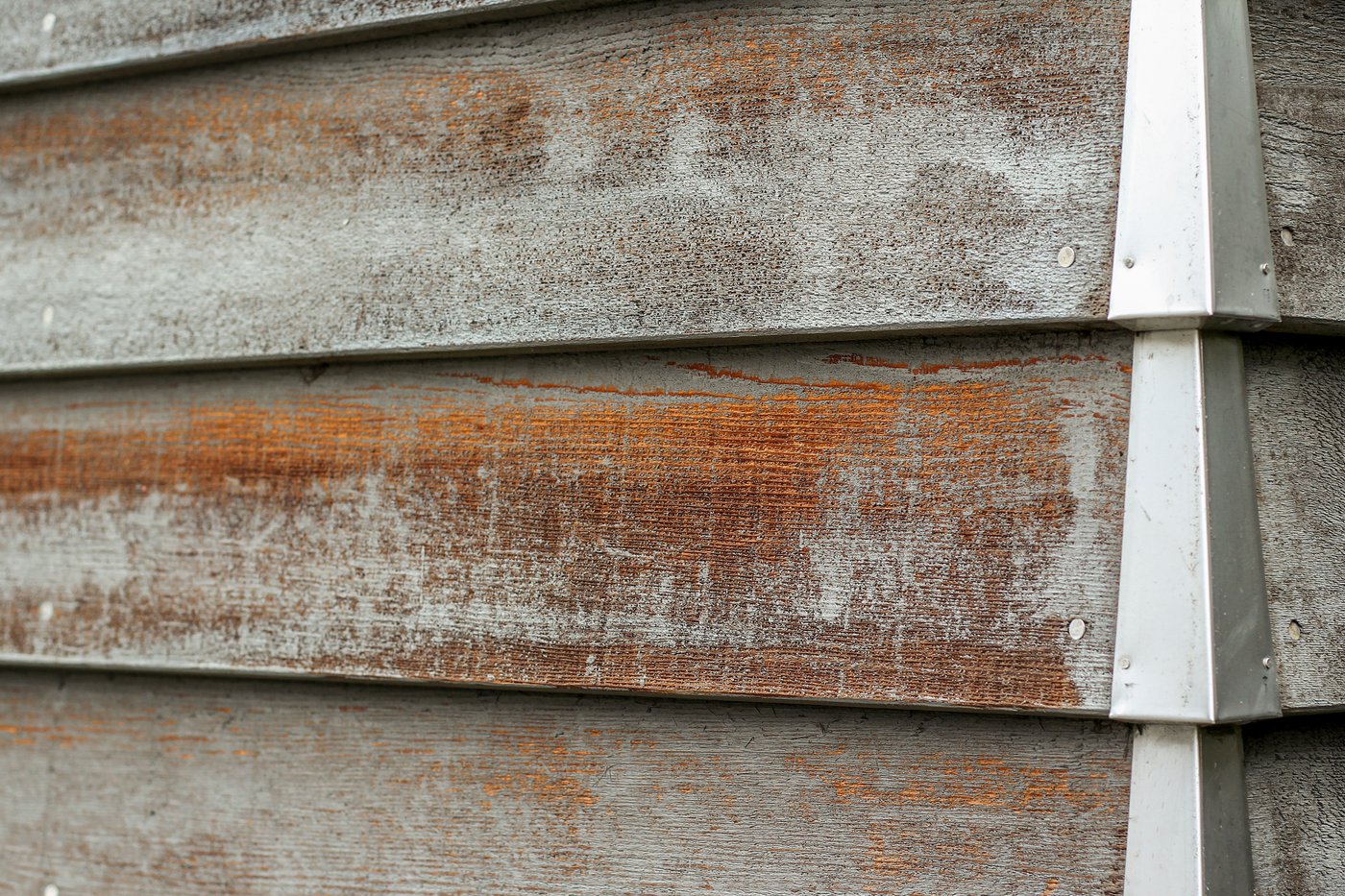
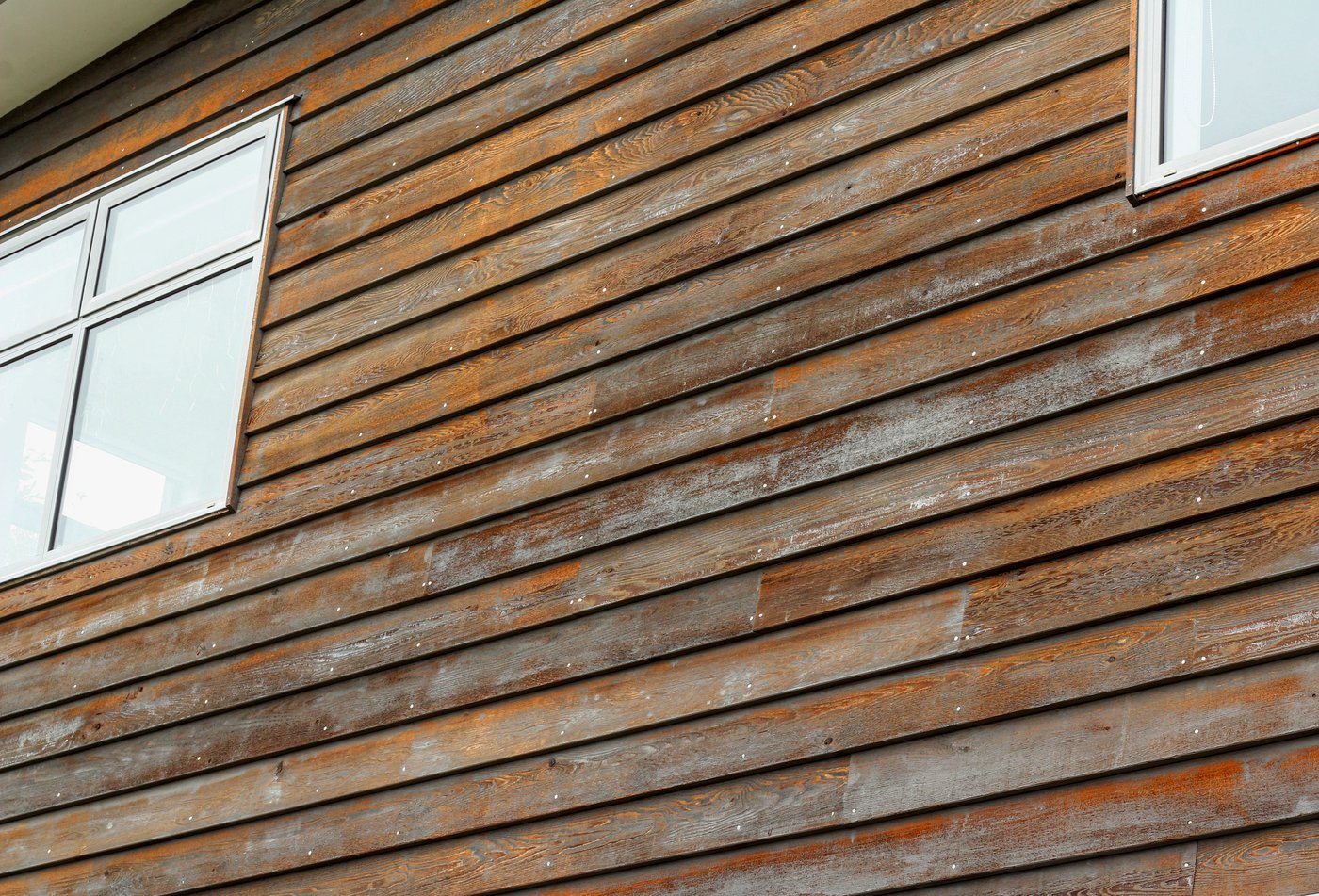
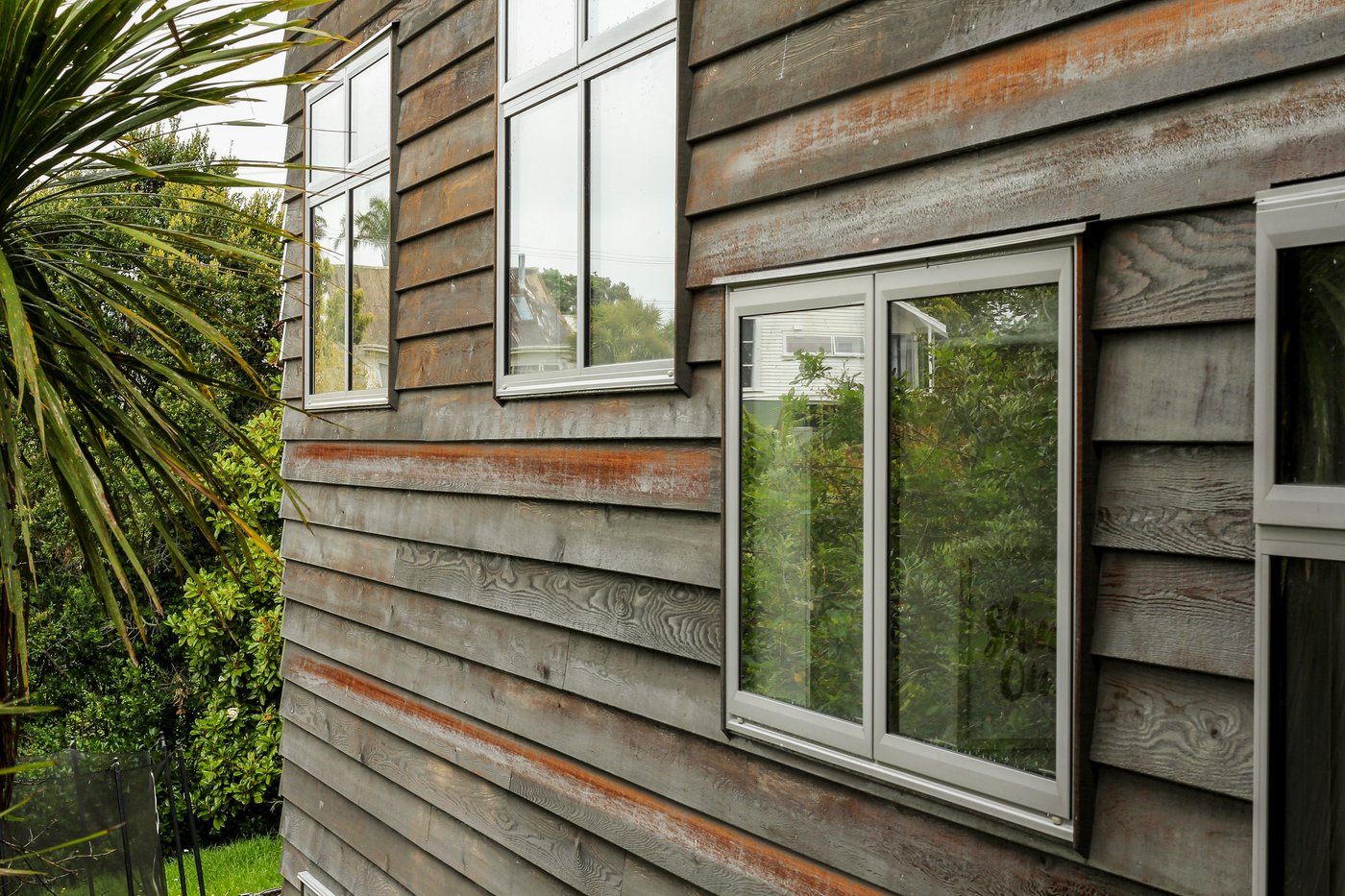
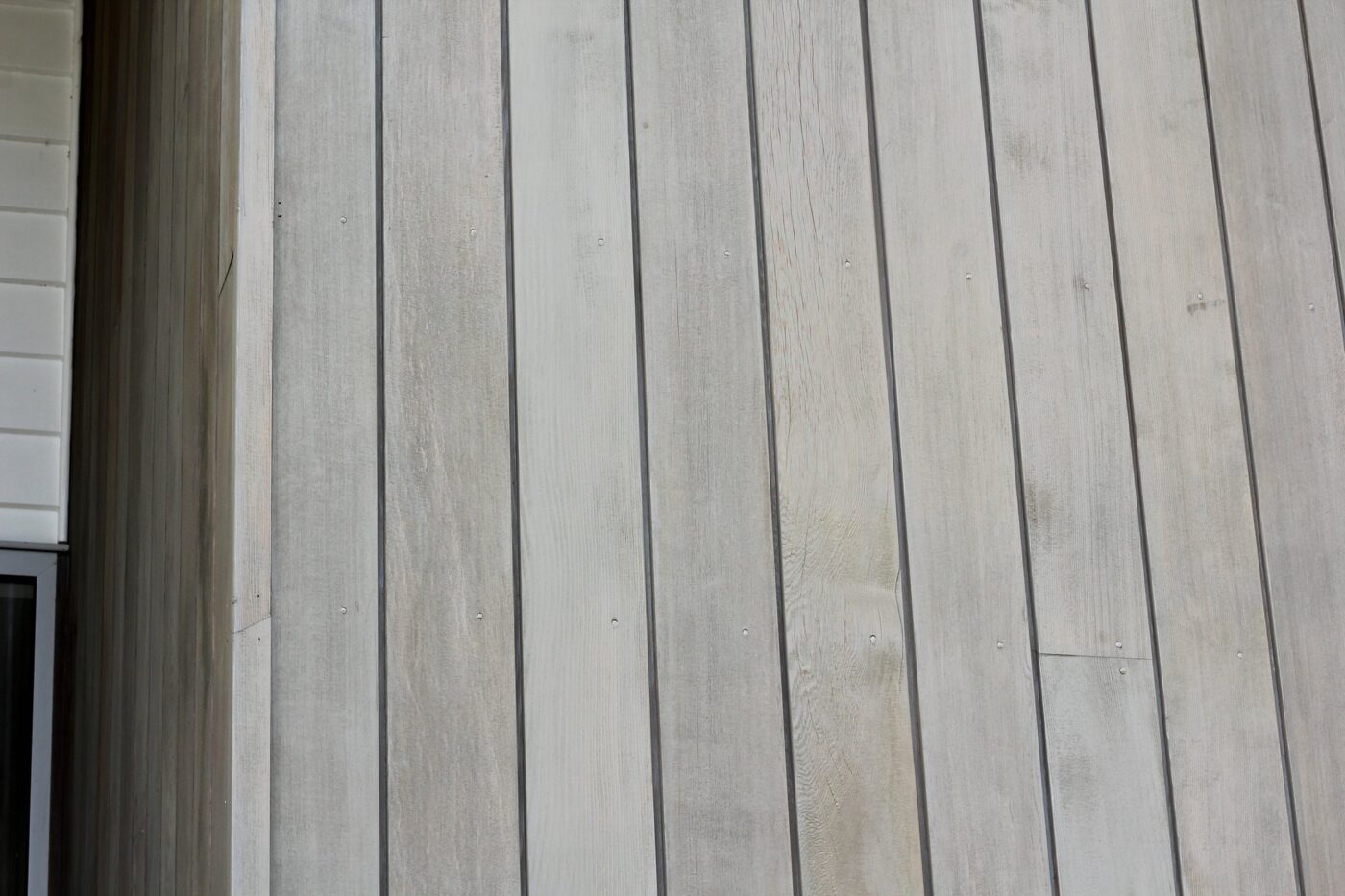
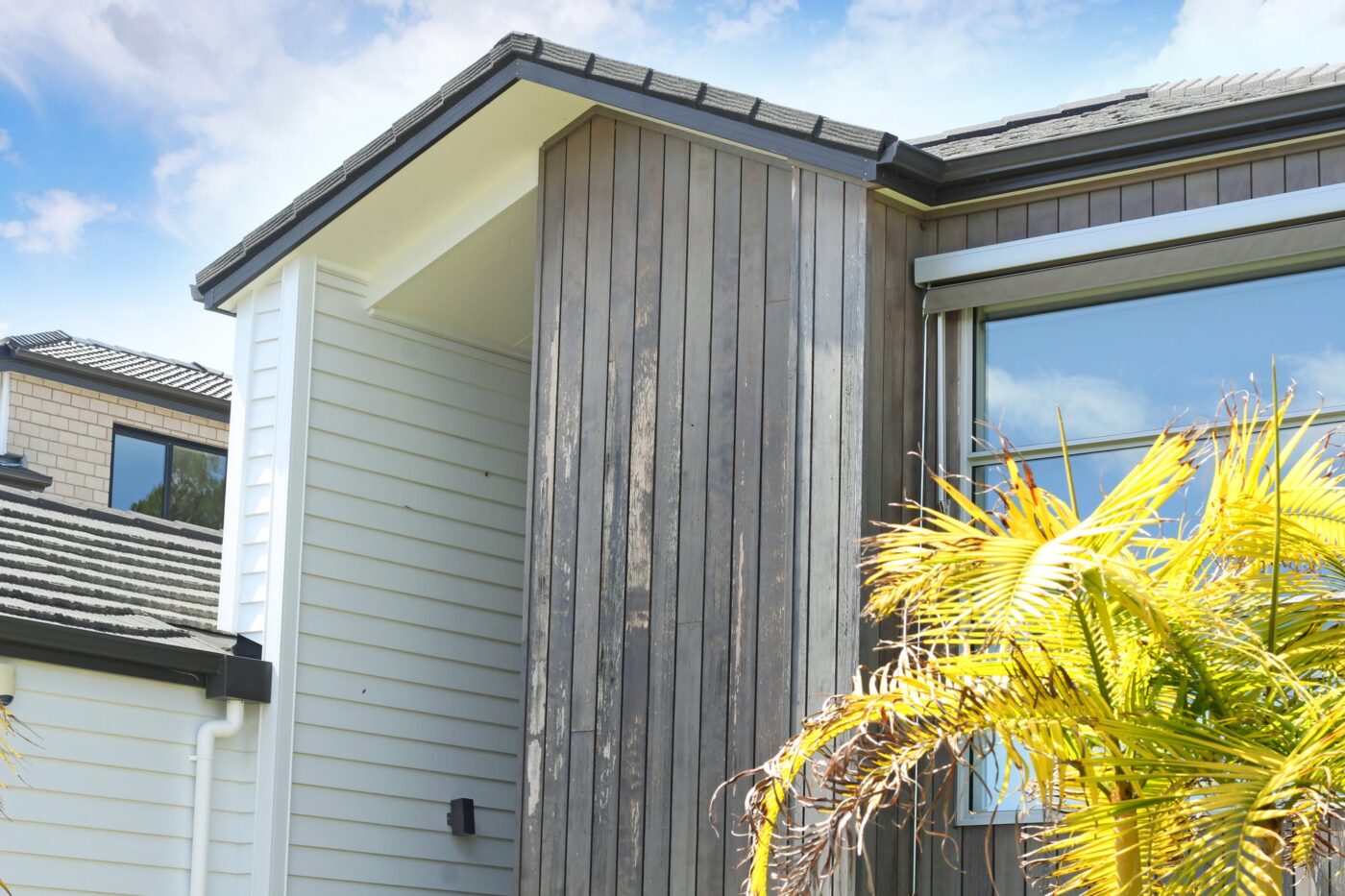
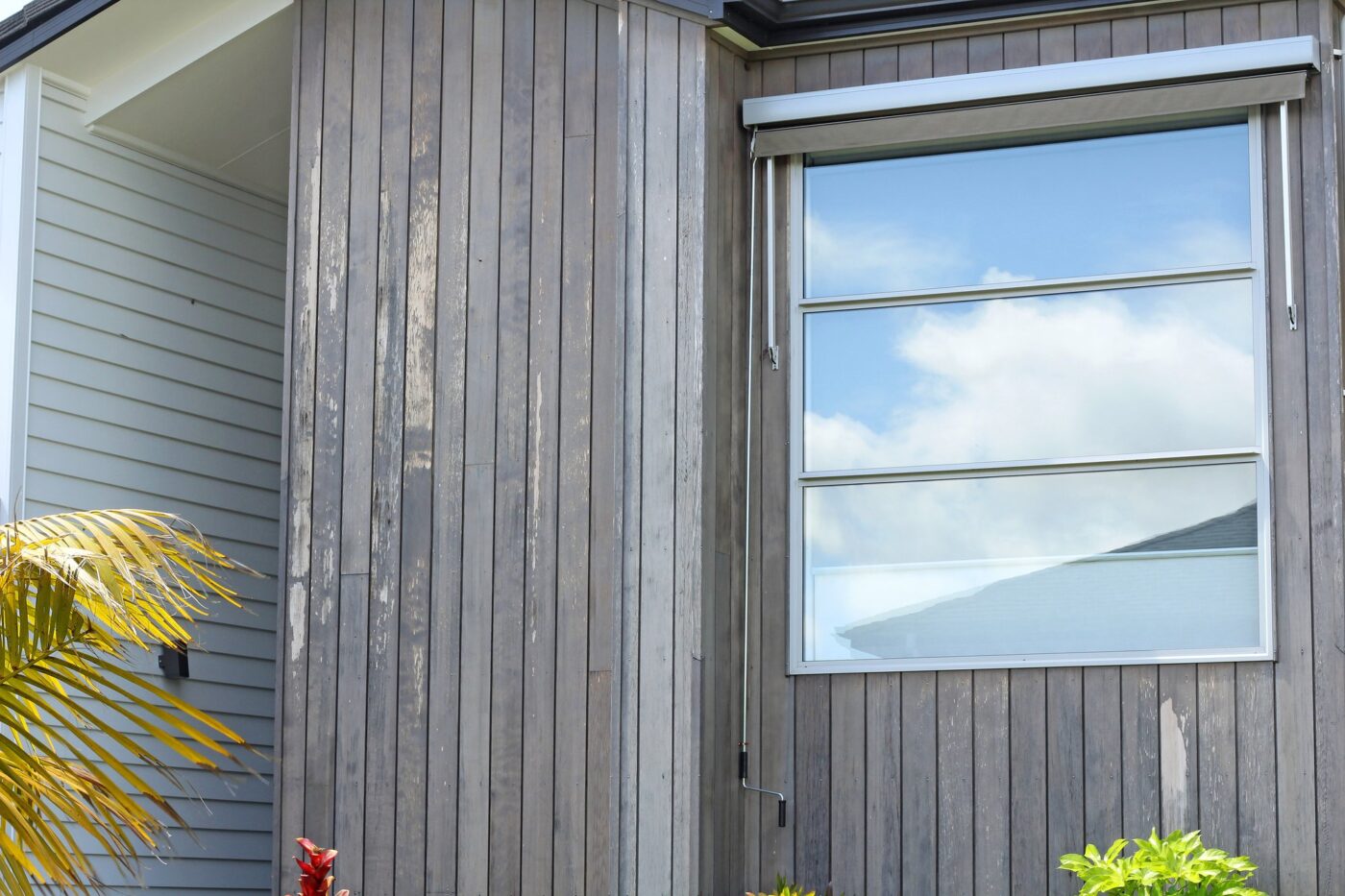
By the time we arrived, the boards were grey, silvered and very dry, particularly on the exposed faces. There was some minor cupping starting to show, though nothing at an advanced stage yet. 
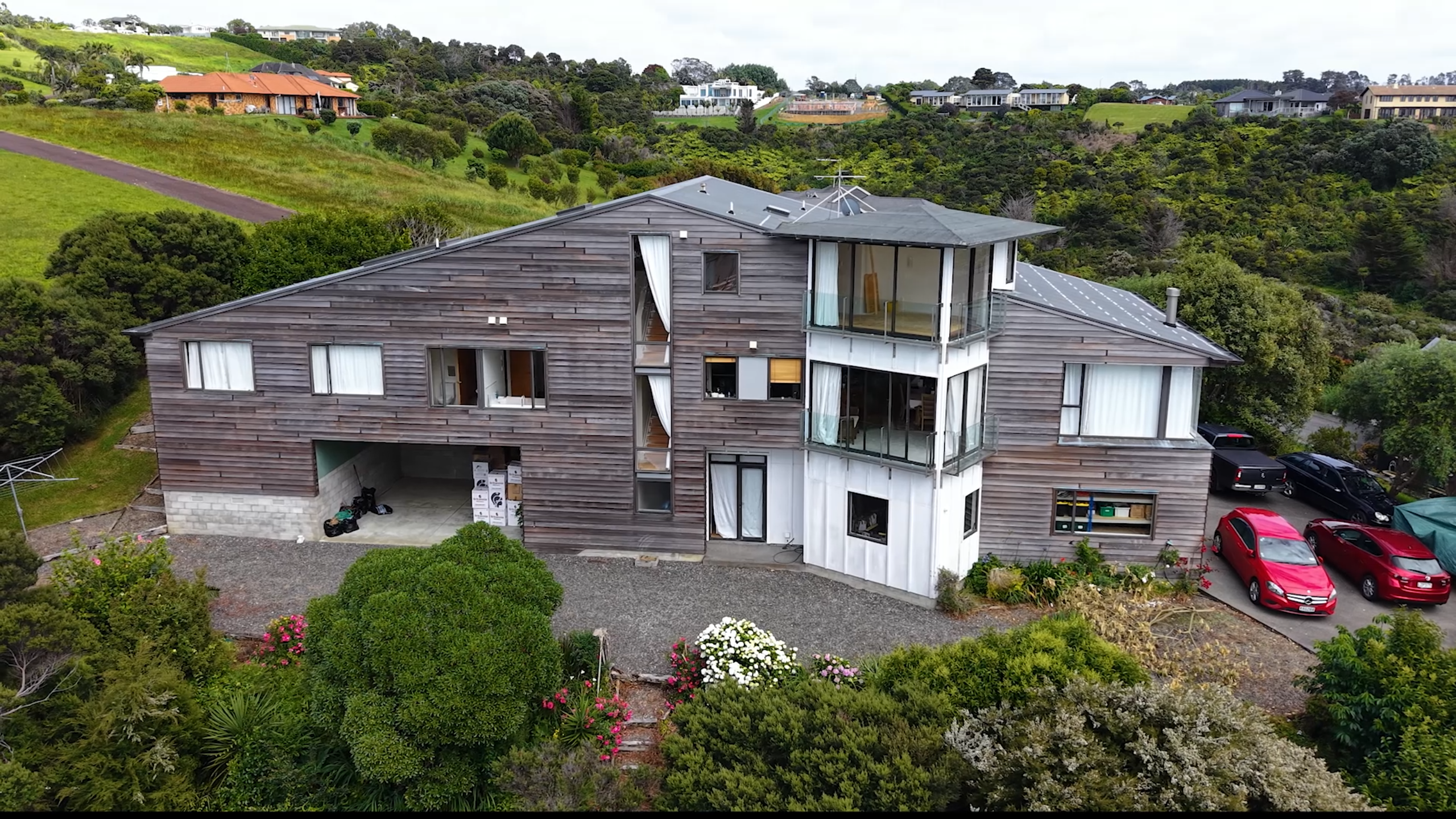
silvered-cedar-boards

The good news was the quality of the timber itself. These were thick boards with very few knots, a good grade of Cedar that holds up well even after years without maintenance. 

The north face had taken the worst of it, closely followed by the west. The east side was dry and clearly needed treatment, but hadn’t cupped or ridged the way the north and west had. The south face, the smallest and most sheltered side of the house, was flatter again, though it still needed the same care. 
Given how thirsty the boards were, our recommendation was a deep clean followed by oil, with two coats applied in the same visit. That’s not our usual approach. Normally one application is enough to saturate the boards, but it was obvious early on that this Cedar could take more, so we applied a second coat while the crew was still on site to get as much oil into the timber as possible. 

Cedar Maintenance Process

The deep clean followed our standard process: a surfactant applied to lift the built-up organic matter, then we use a waterblaster at low pressure to wash it off without damaging the surface of the boards.
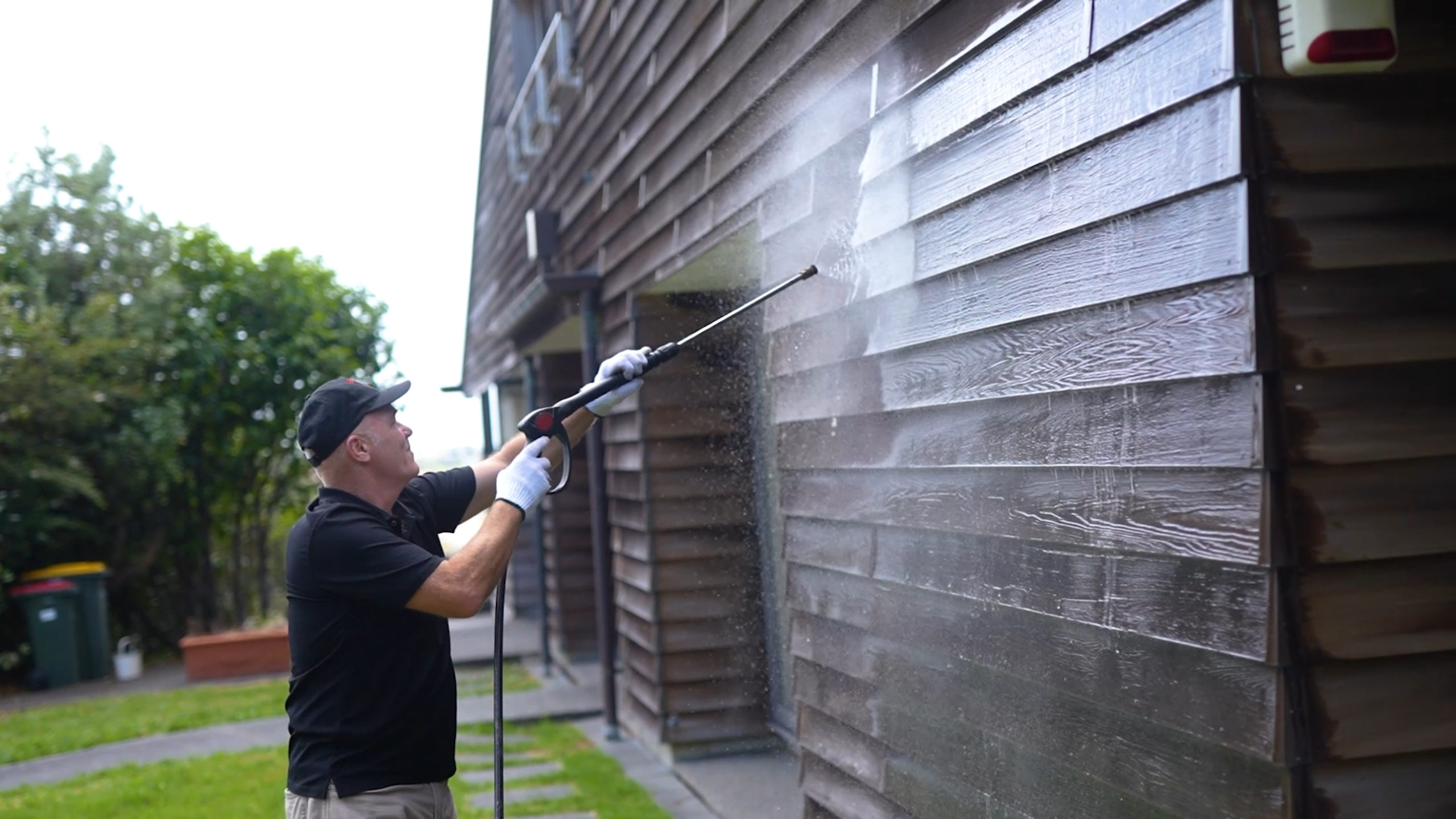
waterblasting-cedar

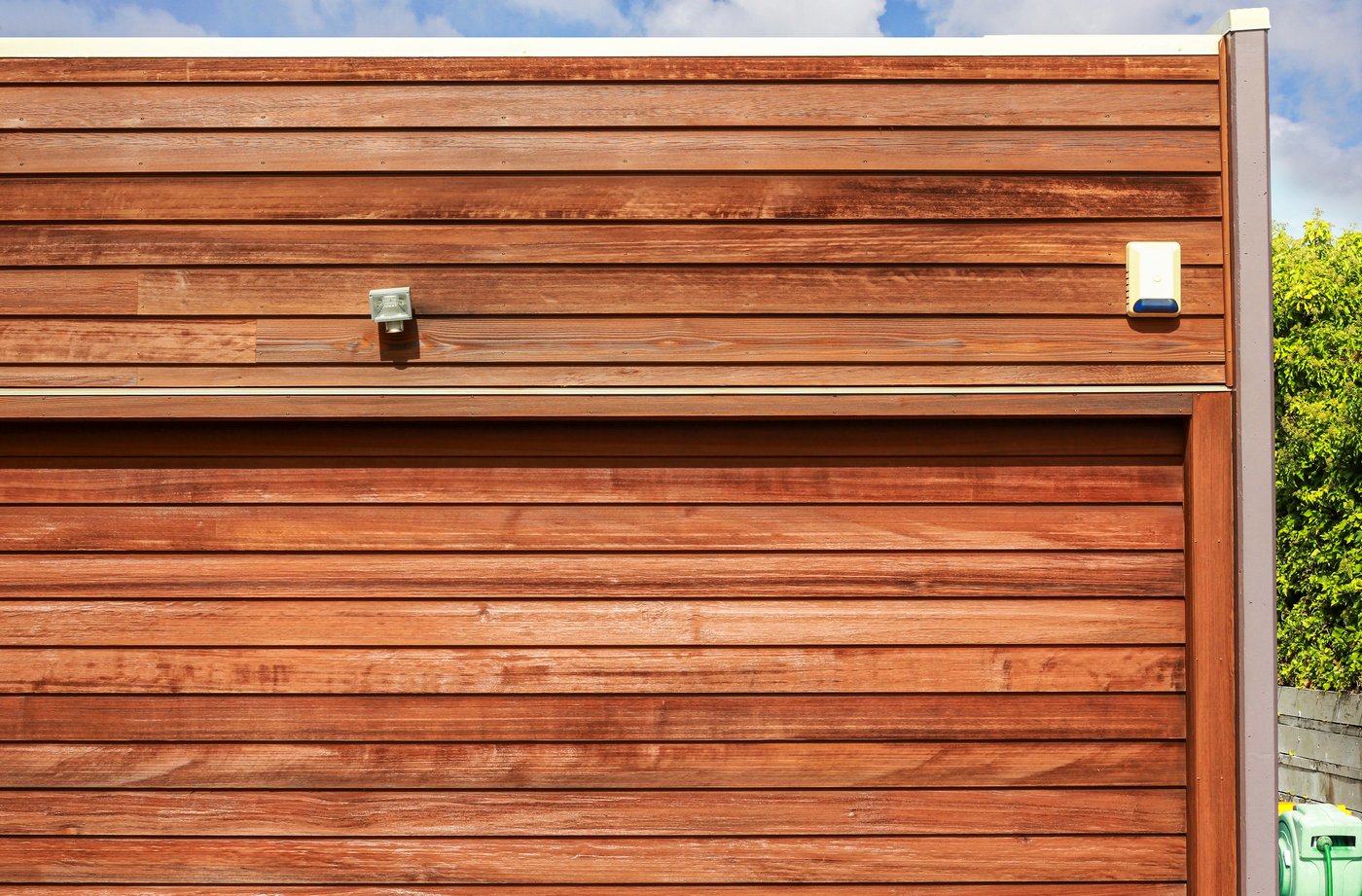
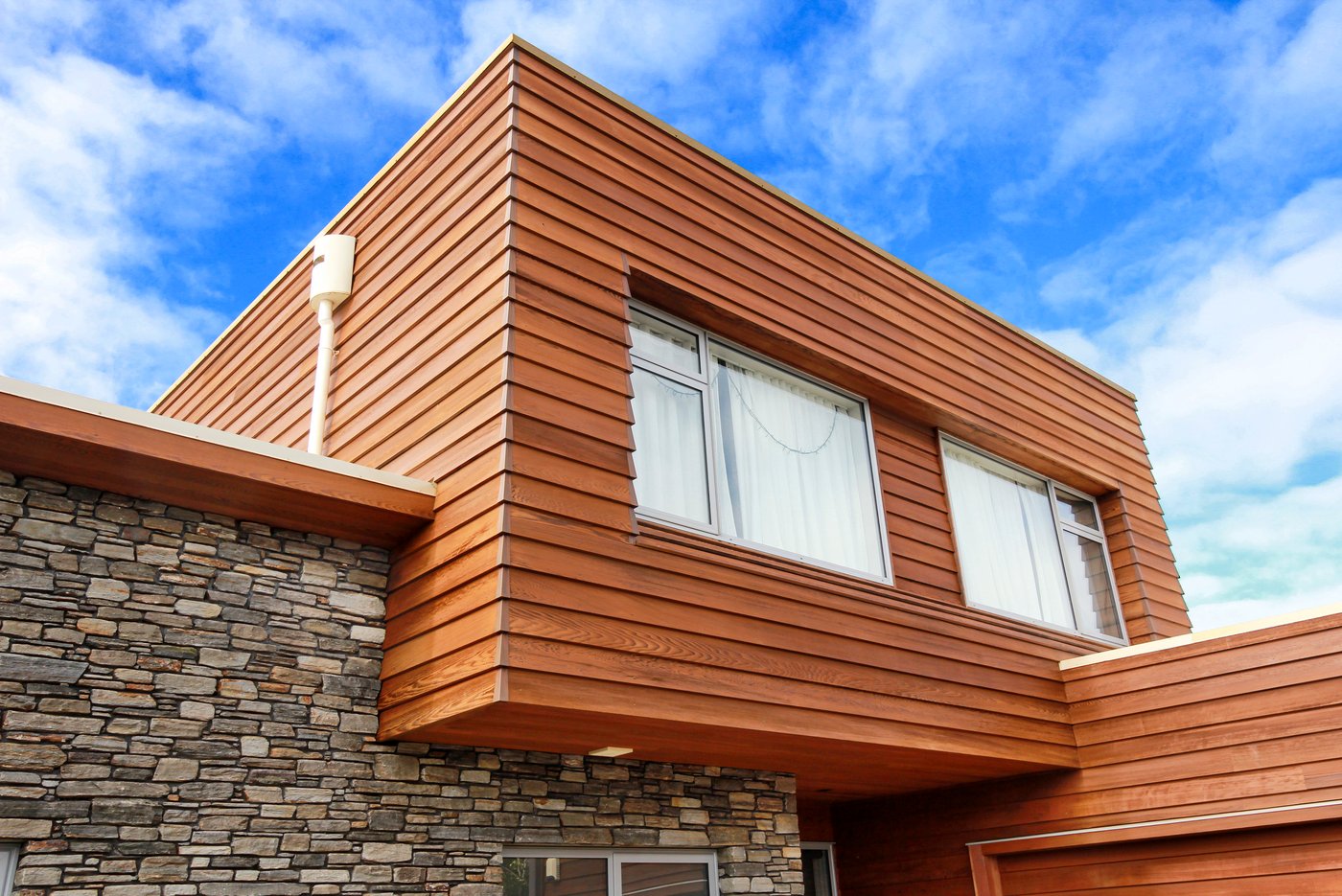
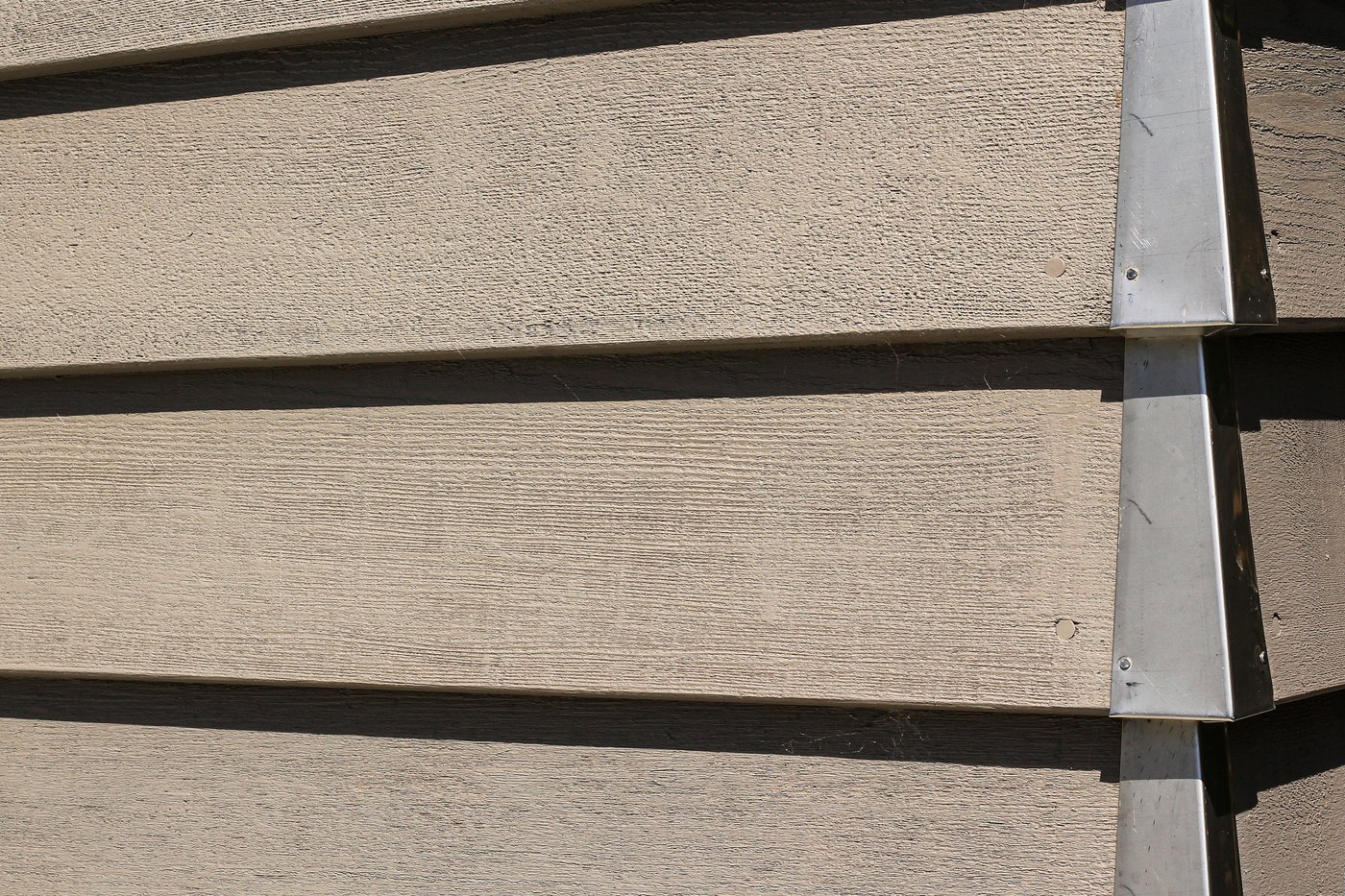
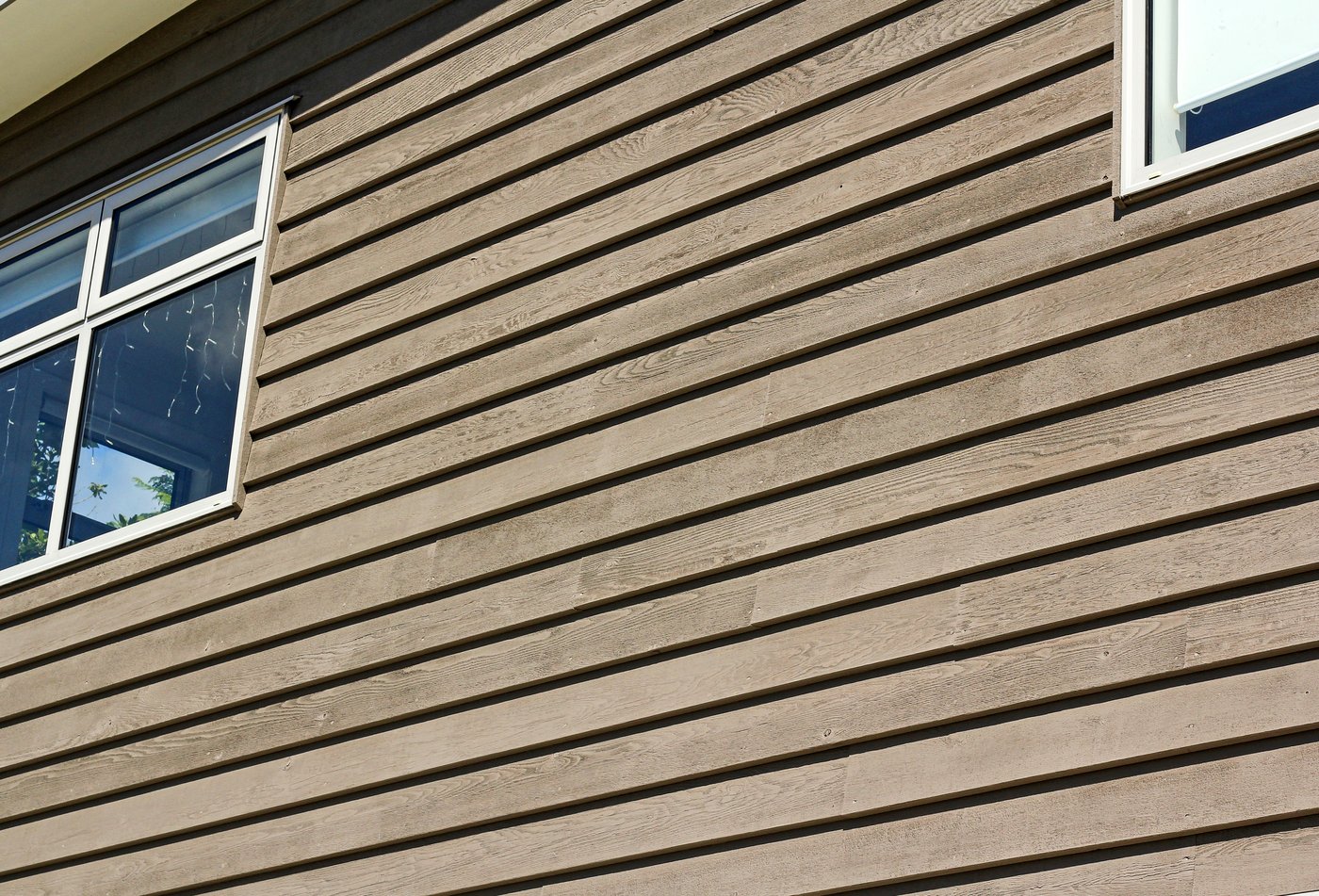
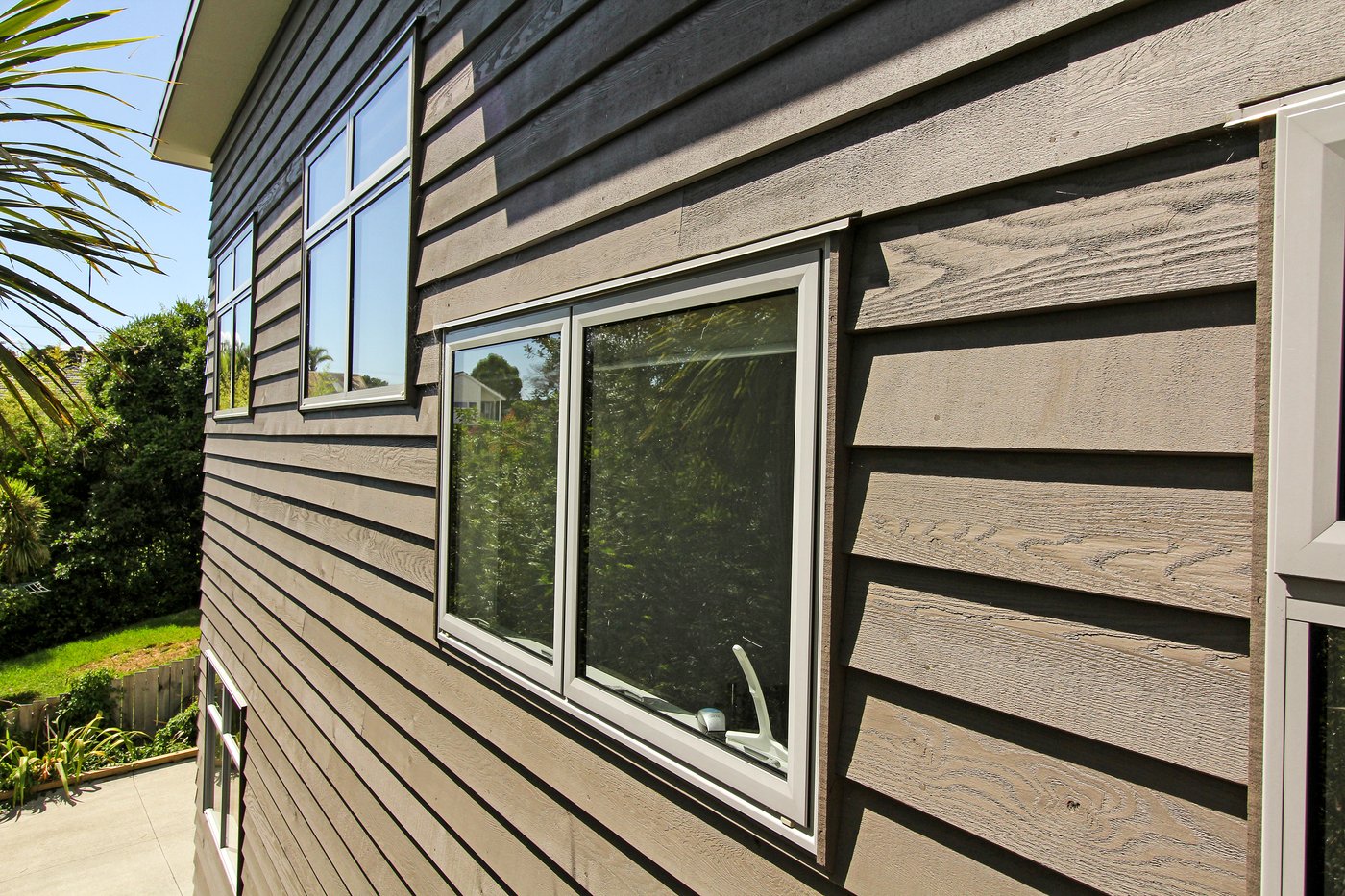
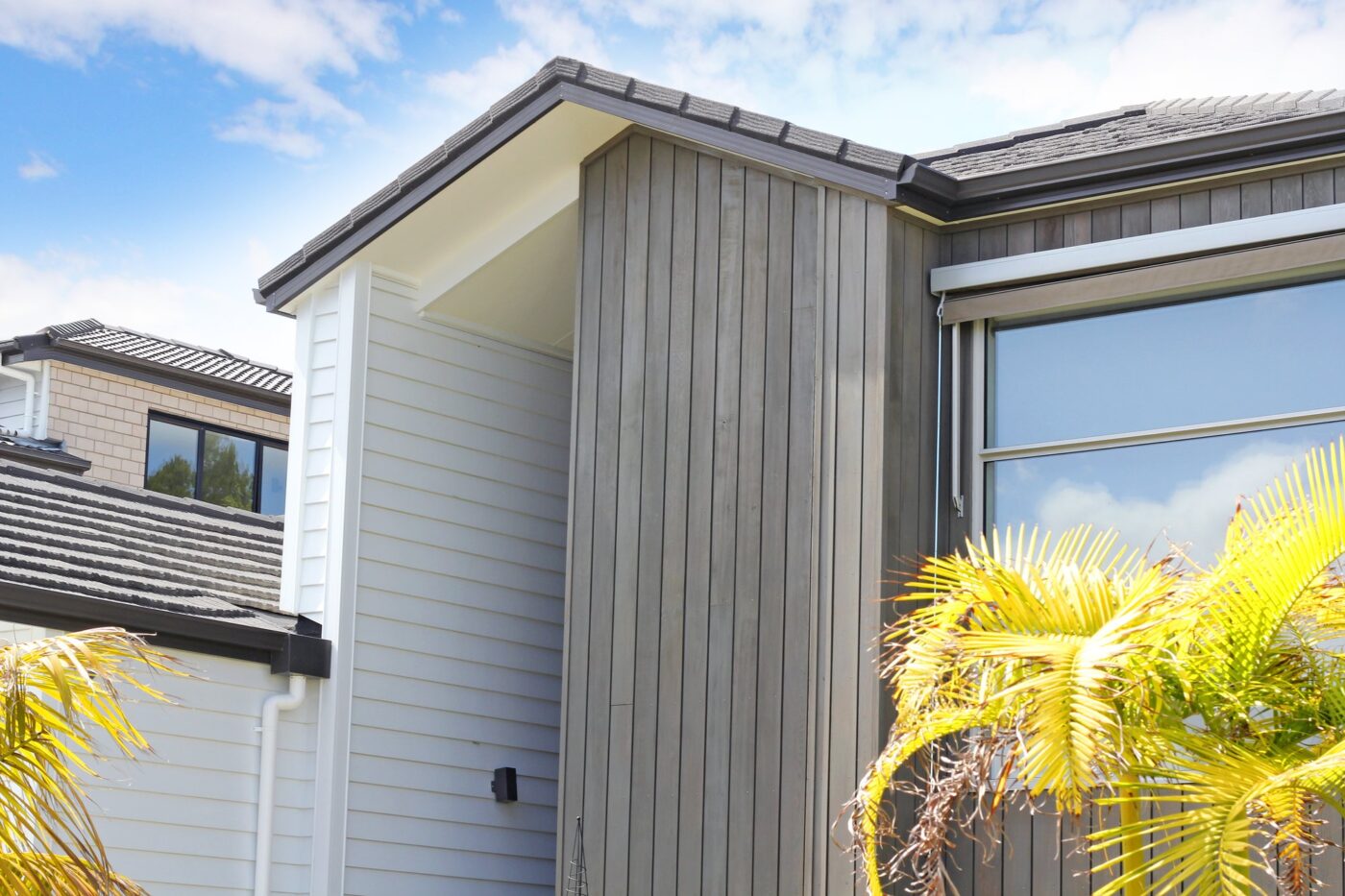
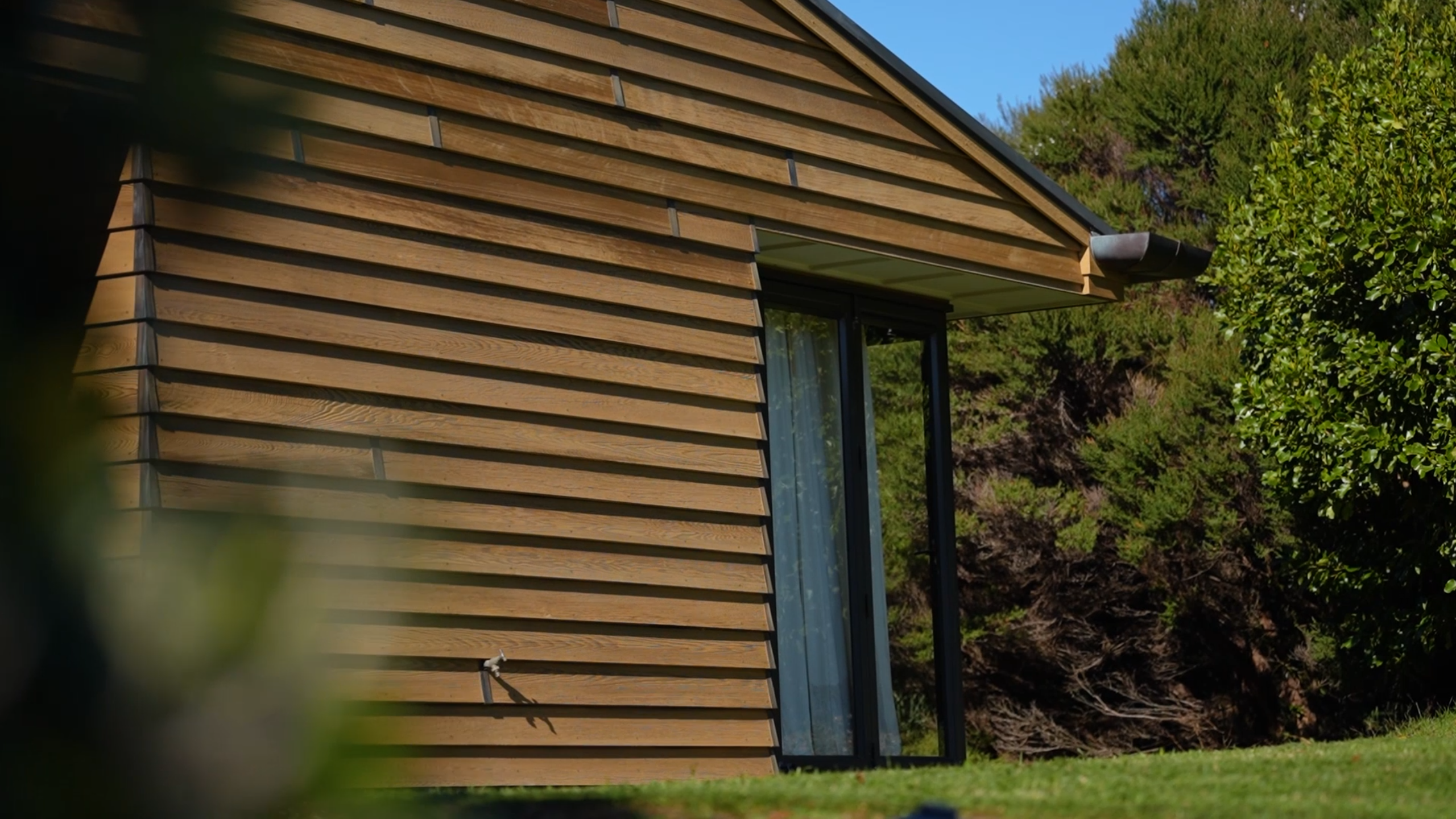
Because the Cedar had never been coloured, this was essentially a blank canvas. We worked with the homeowners to choose a colour that would bring out the timber’s natural tones, landing on Wood-X Mount Honey, one of the closest matches in our range to Cedar’s own colour. It’s a shade we often recommend to homeowners who want their Cedar looking like Cedar, rather than taking on a heavier stained appearance. 
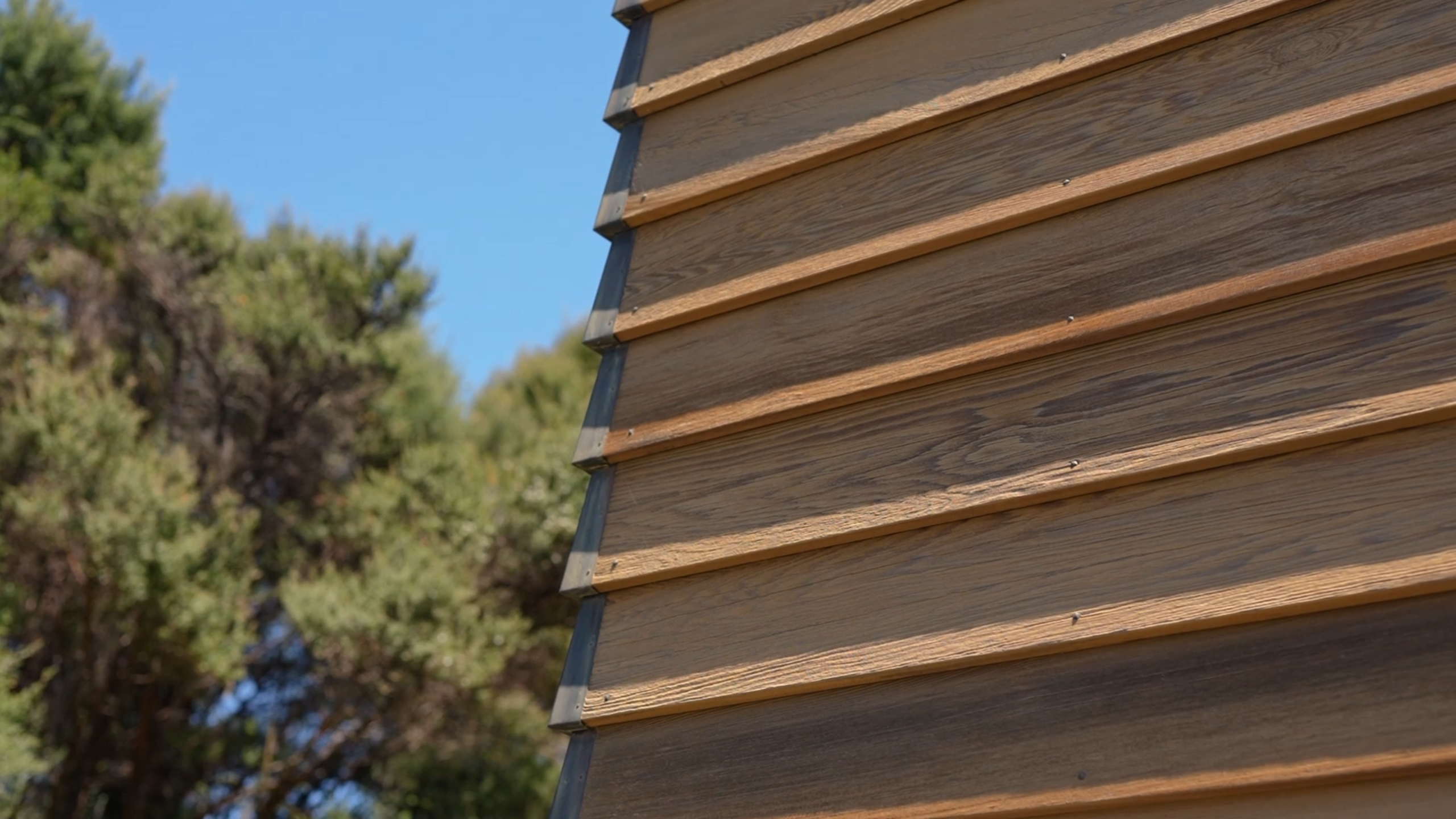
Application was a mix of spray and brush, with the large, flat sections of the house lending themselves well to spraying once conditions allowed. 

cedar-mount-honey

There was also a feature section at the back of the house that had originally been painted white. It stood out more than the owners wanted, so we prepped, sanded and repainted it in a colour that ties in with the surrounding Cedar rather than competing with it. 

Cedar Maintenance Challenges

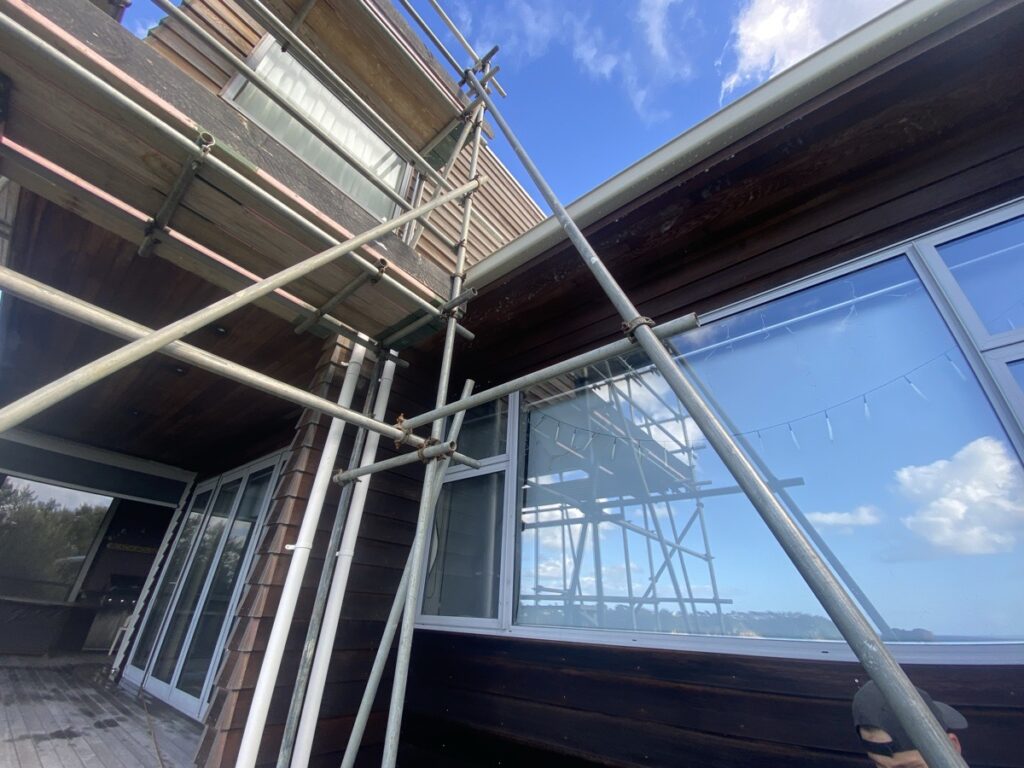
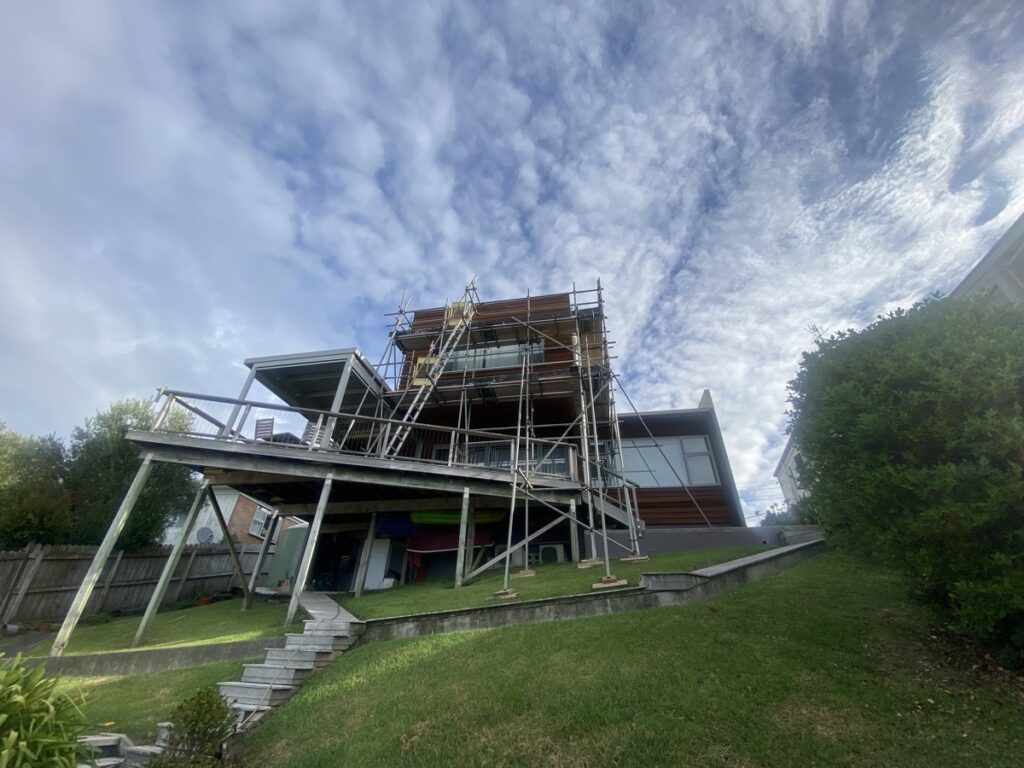
The biggest challenge on this job was access. Getting a knuckle boom onto the site meant allocating a specially trained technician to operate it, along with a second person on the ground at all times. The boom covered the whole east-facing rear of the house and part of the north face, with a mobile scaffold used to reach other areas, and rope and harness work needed to paint sections of the roofline.
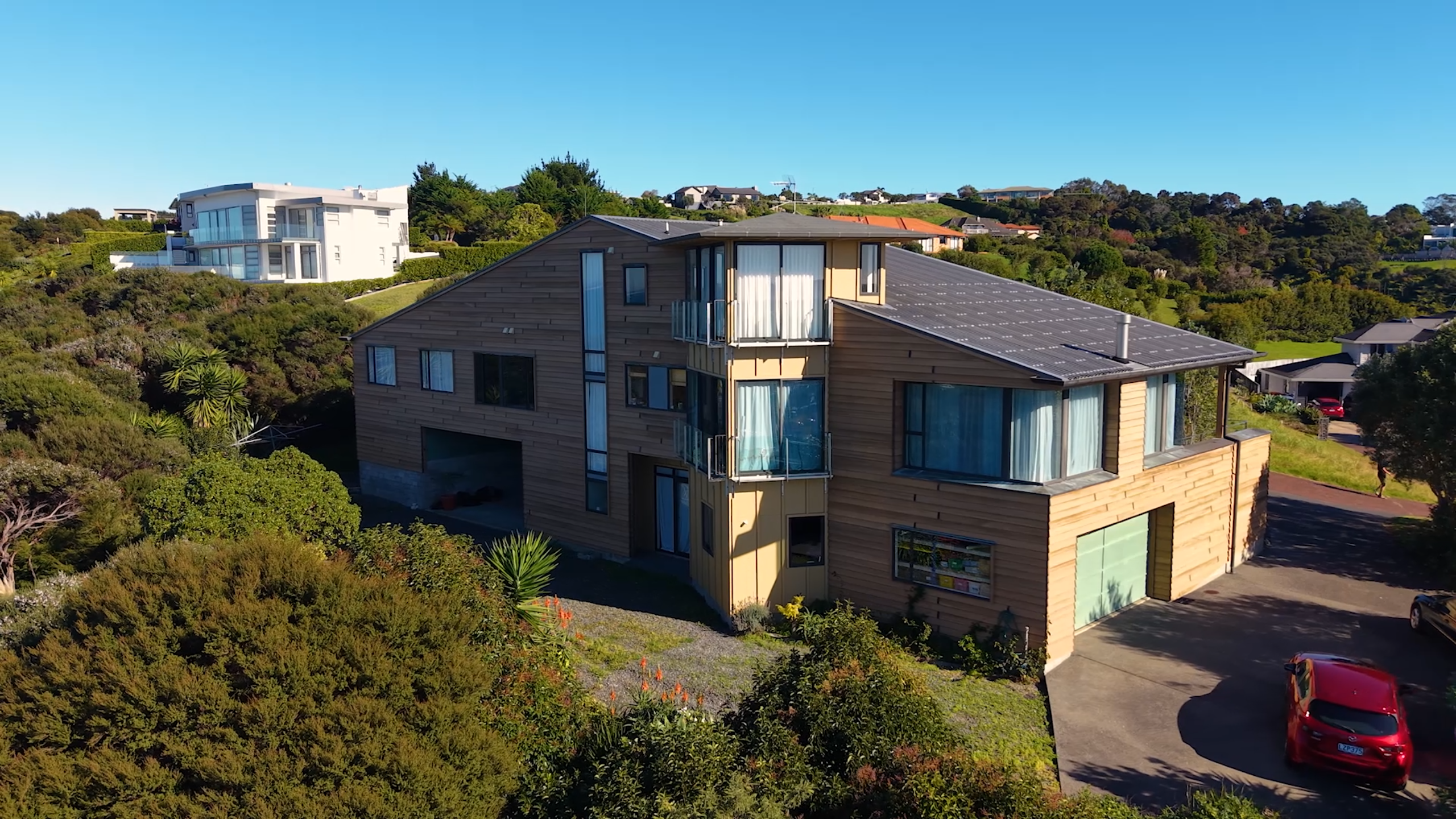
cedar-access

Weather was the other factor. Perched on an exposed hill above the marina, the property catches the wind, which meant timing the more exposed faces carefully around the conditions rather than working straight through. 

Beyond that, this was simply a bigger job than most. The house is larger than many properties we work on, but the process itself, deep clean and oil, didn’t change. We just needed the right number of people on site to get through it in good time. 

Ongoing Maintenance Requirements

We recommended returning within 6 to 9 months to check whether the boards needed more oil. When Cedar has gone untreated for a long time, getting as much oil into it as possible in those early stages extends how long it will last before the next full treatment is due. 

We’ll check all the faces, though it’s the sun-exposed sides that are most likely to need a top-up. If the boards prove to have taken on enough oil, the property will move onto a standard maintenance plan. Rather than the usual 2-3 summer cycle, we like to check back in on properties like this a little more regularly, generally around the 18-month mark, just to make sure everything is holding up as expected. 

The Final Outcome
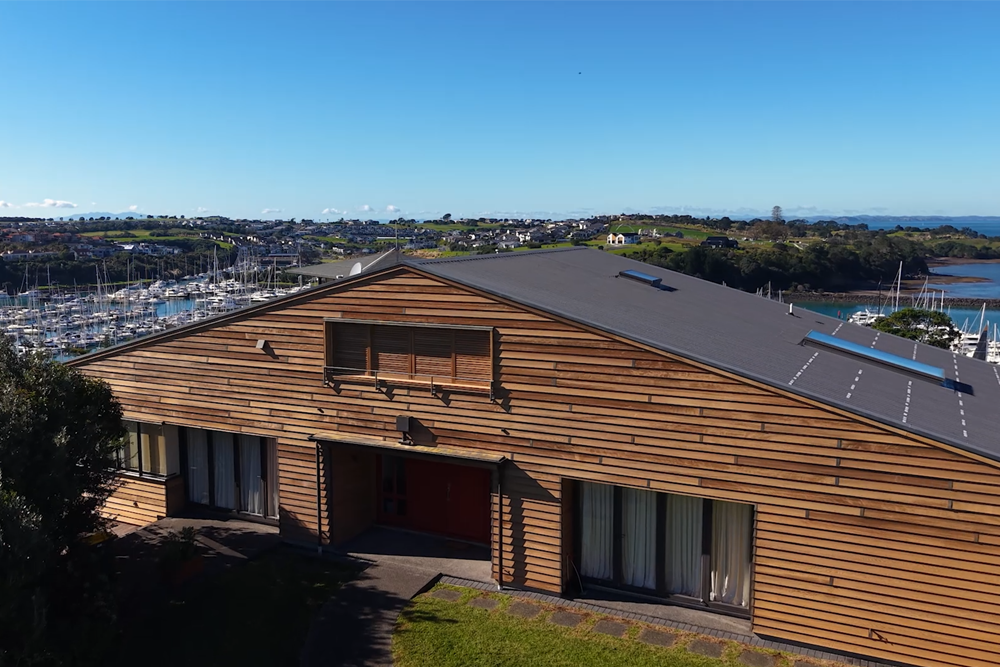
The transformation exceeded the owners’ expectations. Like a lot of our customers, the biggest surprise came after the deep clean, before any oil had even gone on, just seeing how different the timber looked once the decade of grime had been washed away. Once the oil colour was chosen and applied, they were thrilled with the finish.

cedar-mount-honey

Ryan led the job, supported by Emma, who did a substantial amount of the work before going on maternity leave. 

The scale of the transformation, from silvered and weathered to a warm, natural Cedar tone, is exactly why we chose to use this job to show what’s possible when Cedar gets the attention it deserves.
Property Details

Year of Build:
2003
Location:
Matakatia
Coating:
Wood-X Mount Honey

Category:

More Featured Properties

15 May 2024

This architecturally designed home is located along the eastern coast of the Whangaparaoa Peninsula, with magnificent views across Stanmore Bay.

The home was built in 2009 and the Cedar had not received any maintenance before the customer contacted us.

Cedar located along exposed coastlines has different requirements than Cedar in tree covered areas. Without any shelter, the Cedar is fully exposed to the harsh New Zealand sun, which can burn the timber fibres on the exposed faces and dry out the boards.

Coastal winds can also be strong and contain higher amounts of organic matter, such as dust, pollen and sea salt.

Due to the lack of maintenance and exposure to the elements, this Cedar home required a complete restoration.

Maintenance Timeline

The customer first approached us on the 25th of January, 2024.

  • 1st February, 2024 – Initial onsite assessment completed.
  • 8th February, 2024 – Quote sent.
  • 26th March, 2024 – Team arrived onsite to start the job.
  • 4th April, 2024 – Job completed.

Cedar Maintenance Process

Before oiling, the Cedar required a deep clean to remove all the built-up organic matter and burnt fibers on the surface of the timber.

The customer wanted a golden look for the Cedar. We used Wood-X penetrating oil in Kauri Gum, which is the most popular and natural Wood-X colour tone.

As the front of the house is the main feature area – and the faces most exposed to the sun – we allocated more time and materials here to make sure it looked stunning.

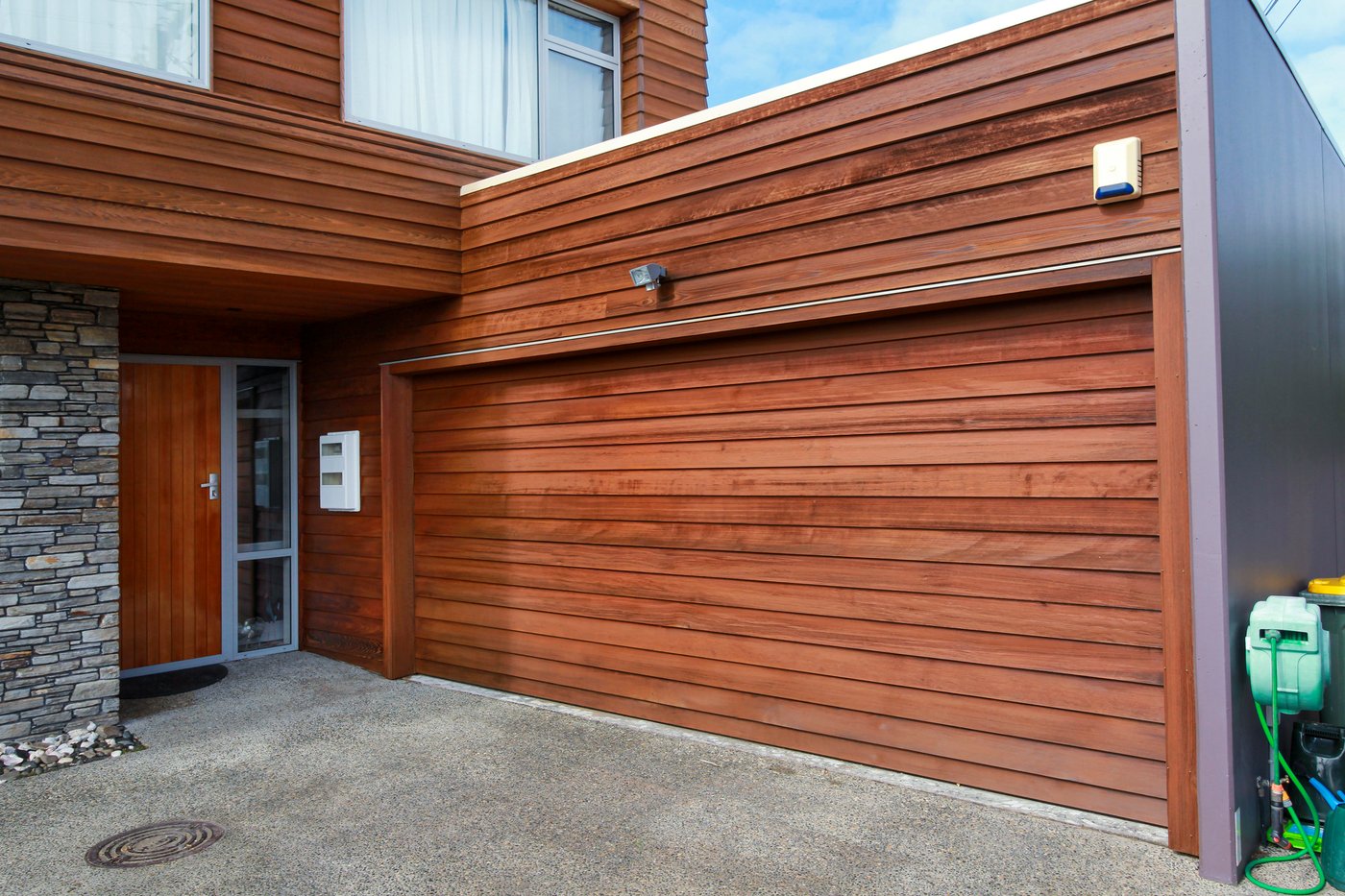
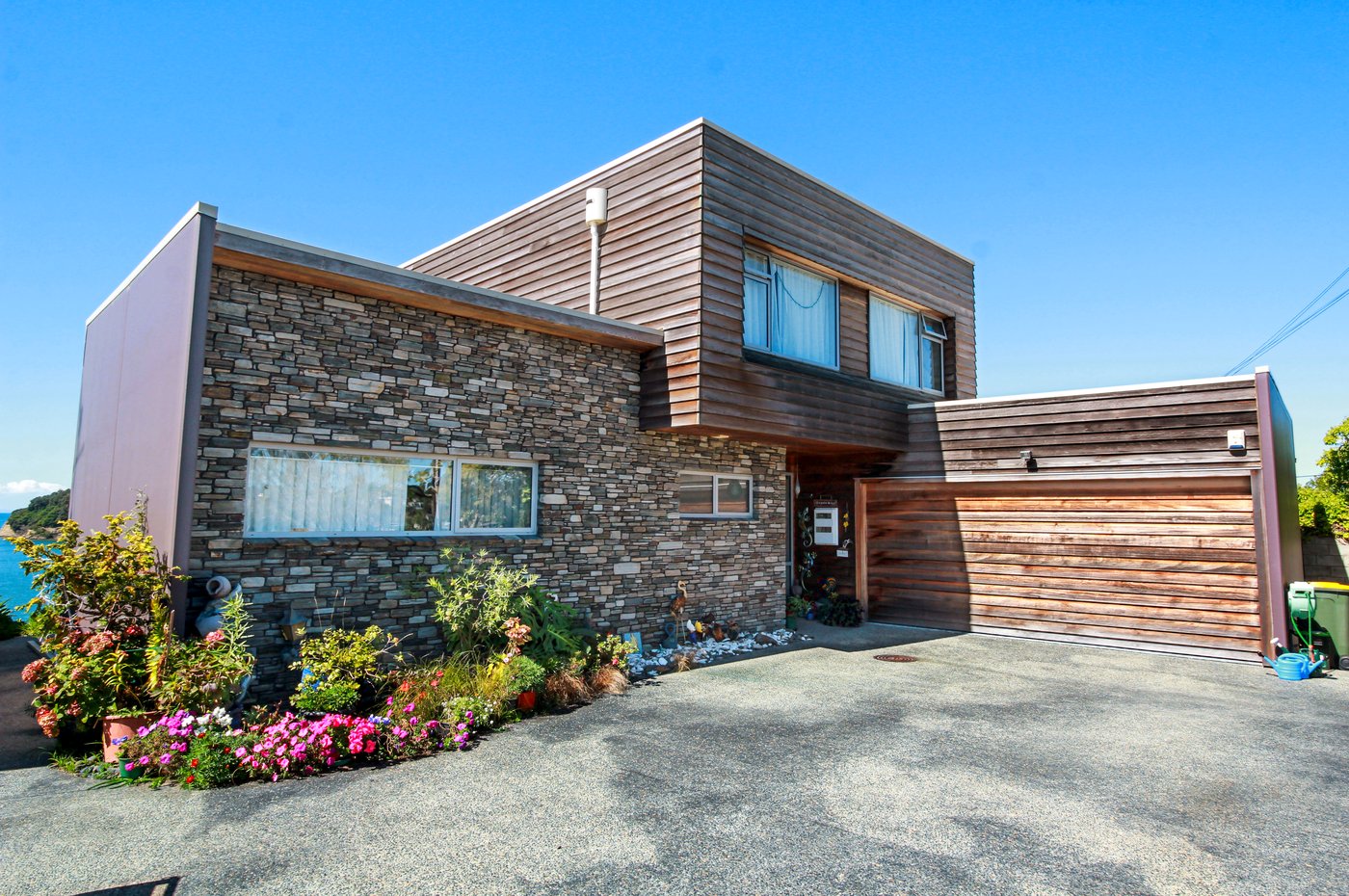
The colour of the garage door (in the before photos) shows what the boards would have looked like if they had been washed previously.

Unfortunately, the garage had been water blasted by someone unfamiliar with Cedar, leaving the surface streaky and damaged. Because the timber is so soft, these lines will stay in the timber forever, unless they are either washed or sanded out.

Above the garage door, the boards have been oxidised by the sun, giving them a burned and blackened appearance.

After putting drop cloths down, we sprayed oil from the bottom up, then across the boards, and by the time we got to the top corner, we had to start again as the oil had already been sucked into the timber.

This was coated 4 times in an hour, and the section above the garage door alone would have used 1.5 litres of oil.

We then left it for 24 hours and came back the next day to apply another coat, mainly because it’s a feature area and we wanted it to pop, rather than still look thirsty.

On the face running perpendicular to the garage door, the boards have been bleached by the sun. Walls facing to the west can sometimes get just as warm and weathered as the northern faces, especially if there is no tree cover.

We recommend that sun-exposed areas are recoated every 2-3 summers. As these boards were so dry, we will return in 9-12 months for a recoat.

This gives the oil a chance to really suck into the pores of the timber before adding more. If done any sooner, the oil will sit on the surface and wash off when the rain hits.

Cedar Maintenance Challenges

The biggest upfront challenge for this job was how steep the property is at the back. As shown in the photos below, the house is built on a very steep coastal hill and required extensive scaffolding.

The next big challenge was just how dry the Cedar was.

The boards used for many Cedar homes are scalloped at the bottom, so that they overlap the board below and sit flush. The boards on this home are solid timber without any decorative features, allowing the boards to sit on top of one another.

They are not much thicker than standard boards, but the difference is that the thickness goes all the way down. This thickness makes the boards very durable, as the thinnest part of the board is where most of the cupping occurs.

The thickness of the boards, along with how dry they were, required more coats of oil than usual and anyone untrained in Cedar maintenance might have slapped on a coat of oil and called it a day. The end result would not have been pleasant to look at.

Ongoing Maintenance Requirements

We recommend recoating sun-exposed faces every 2-3 summers. That doesn’t mean the whole house, just the faces exposed to the harsh UV. The rest of the house may not need further maintenance for 5-7 years.

The Final Outcome

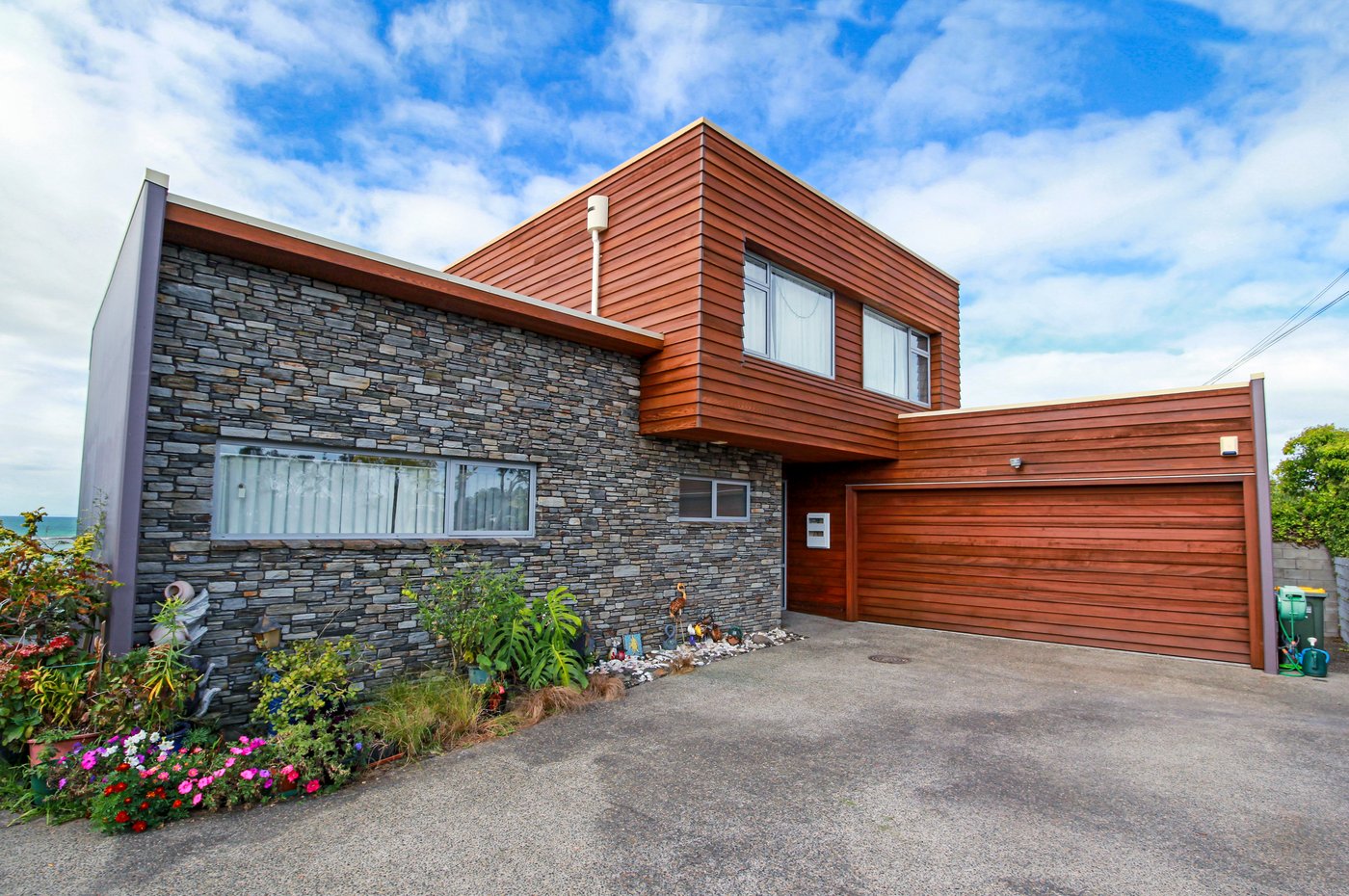
The restored Cedar makes it look like a brand-new house. Contrasted with the grey schist, the lovely golden hue creates a timeless alpine look, both homely and sophisticated.

The owner was away while we did the maintenance and was stunned by how it looked upon their return. They knew we would make it look better, but they didn’t think the transformation would be so dramatic.

Even Mark was impressed with how well the Cedar polished up, and that saying a lot having been in the business for 30 years! What a fantastic result for the homeowner, and a restoration we are very proud of.

20 Mar 2024

This modern, 2-story home is located in the leafy suburb of Titirangi, a beautiful area far from the bustle of the city, but which also has a lot of tree cover and higher than average rainfall, creating the perfect environment for moss and lichen to grow.

The new homeowner contacted us while waiting for the home to go unconditional. The Cedar hadn’t been maintained in 8 years and was looking shabby and discoloured.

Cedar should be treated every 2-3 summers to keep it protected from New Zealand’s harsh UV rays, and to keep it looking cosmetically beautiful.

Without regular maintenance, the UV rays will eventually dry out the timber, leading to fine cracks and roughening of the surface. This creates a toehold for mould, mildew and lichen to get established and makes the timber look unsightly.

Img 2759 Before Img 2759 After

As the Cedar was left such a long time, the story of this property can be told in the before and after photos. We don’t usually have such dramatic transformations with most houses we maintain, so it was a real treat to see how beautifully the Cedar tidied up.

Maintenance Timeline

The customer first approached us on the 14th of October, 2020.

  • 16th October, 2020 – Initial onsite assessment completed.
  • 22nd October, 2020 – Quote sent.
  • 26th November, 2020 – Team arrived onsite to start the job.
  • 9th December, 2020 – Job completed.

The job took 72 hours in total: 14 hours to wash and strip the timber in preparation for the coating, and 58 hours to apply the stain. The entire job took 9 days from start to finish.

Cedar Maintenance Process

Cedar that has been sheltered from UV rays has a flat, uniform surface that is straightforward to maintain.

Cedar that has been exposed to high amounts of UV will have broken-down stain or oil still on the surface, which often creates a toehold for organic matter to grow.

The two front faces of this Cedar home demonstrate both situations perfectly.

Img 2705 Before Cedar Moss and Lichen

The sheltered face, next to the front door, has a flat even colour; while the exposed face, above the garage door, has been exposed to the UV rays.

The starting point for both faces is the same: the Cedar is washed using a biodegradable cleaning solution to remove organic matter and any remnants of the broken-down stain.

After the deep clean, the sheltered face was ready to be coated.

The exposed face required a more rigorous cleaning process. The orange colour on the Cedar is mould, an organic growth that washes off quite easily during the deep clean.

Img 2766 Before Img 2766 After

The dark brown sections of timber are stain that hasn’t been broken down by the UV and is still in reasonably good condition. To remove this and get the boards back to a natural state, we had to strip the boards.

The stain used on this property is Resene Woodsman Waterbourne, smokey ash colour. This is a very light-coloured stain, one of the lightest on the market, and it leaves the boards looking natural and warm in tone.

Cedar Maintenance Challenges

Soffits keep moisture away from the roof and help prevent wood rot and mould, but they also shelter the Cedar from UV rays. This sounds good in theory, but often makes the Cedar under the soffits darker than the Cedar exposed to the light.

If these areas are not prepared properly, the finished result will look odd as both stain and oil are translucent and will show whatever is on the surface below. Preparation here is key, and it takes experience and expertise to make sure the surface is even before applying the treatment.

Img 2735 Before Img 2735 After

This property also had two high faces over 4 meters that required scaffolding. As the ground below is flat, we were able to use our mobile scaffolding which kept access costs down.

Ongoing Maintenance Requirements

Now that the whole house has been restored, it’s only the sun-exposed faces that will need maintaining every 2-3 summers. The rest of the house may not need further maintenance for 5-7 years.

The Final Outcome

Location matters with Cedar. In an area with lots of tree cover and rain, the boards are often in good condition, but covered in lichen, moss and all sorts of organic material, and they are more susceptible to moisture damage.

That’s nothing out of the ordinary, but it does require some extra work if the Cedar is not regularly maintained.

The new homeowners were delighted with the result. Their newly purchased home cleaned up even more stunning than they imagined, especially the front facing areas that people first see when arriving.

This property is an excellent demonstration of how resilient Cedar really is. An amazing timber that will look great for years to come, with a little love and care.

18 Dec 2023

This stylish, modern home in Swanson was built in 2016, but soon ran into problems with the appearance of the Cedar.

The building company had used a stain product that wasn’t tested in New Zealand conditions and soon deteriorated in the harsh UV rays, becoming porous and exposing the Cedar to the elements. Air borne mould took root in the timber and quickly spread once the moisture got in.

Img 2426 Img 5196

As the house was relatively new, the homeowner was understandably upset. Thankfully, the building company did everything to make things right – including bringing in TimberTech to give our expert advice.

Maintenance Timeline

The building company first approached us on the 23rd of September, 2020.

  • 27th September, 2020 – Onsite Cedar assessment completed.
  • 29th September, 2020 – Quote sent.
  • 14th December, 2020 – Team arrived onsite to start the job.
  • 25th January, 2021 – Job completed.

The job took 3 weeks in total, with some time off over the holiday period.

Cedar Maintenance Process

We first masked all the areas that were adjacent to the cladding and stripped off the old stain using a paint stripper.
Modern paint strippers are less potent than in the past and are made from organic compounds, which are harmless to gardens and more environmentally friendly.

Once the paint stripper had been applied, we scraped the weatherboards and removed all traces of the old stain and stripper. To prepare for the new treatment, we lightly rinsed the surface with a water blaster to remove any remaining dust and organic matter, then sanded the boards to take away any of the furring.

Img 2442 Img 5191

The final step was to apply 2 coats of an oil stain. Oil-borne stains are oil mixed with solvents that evaporates upon application, allowing the stain to cure. These types of products are not used as much these days as the market has shifted to waterborne products that are more environmentally friendly.

Solvent based products give a much flatter finish that absorbs the light, giving a less shiny, more natural look.

Cedar Maintenance Challenges

As the house was basically new, we had to take special care masking around the edges of the timber to ensure the oil stain didn’t come into contact with the joinery, or the established gardens.

The awning on the front face of the house also had to be removed. We supplied and erected mobile scaffolding to give the builders access to the awning.

Img 2438 Img 5192

Another challenge for this particular property was liaising between all the concerned parties to achieve a satisfactory outcome. This included the customer, the building company and the company that supplied the initial product.

TimberTech has the staff and the experiencing to manage jobs of all sizes and we gladly took on the management of this project – which proved to be a great relief for the customer.

Ongoing Maintenance Requirements

To keep the Cedar looking beautiful for years to come, all it needs is a light wash once every few years and a recoat of exposed areas every 2-3 summers.

The Final Outcome

Img 2417 cedar restoration

The final outcome was an outstanding transformation. The Cedar has a smooth, even finish that is free of mould and still retains the natural textures that make Cedar look unique.

We are very proud of the restoration work done by our team, but the highest praise came from the customer, who sent us an email soon after the work was completed:

I wanted to let you know how pleased I am with the work completed at my property, it’s now looking fab. I was particularly impressed by the team, they did a fantastic and thorough job, they demonstrated an excellent work ethic and they were very easy and trustworthy to have around. I’d like to schedule regular maintenance for the cedar – please let me know what I need to do to lock this in. Thanks again for all the hard work – excellent job!” 
– Jannette

Showing 1 - 10 of 18

Subscribe

Sign up to our quarterly newsletter for all the latest Cedar tips and expert advice.